Meet Victoria Griffith, author of “The Fabulous Flying Machines of Alberto Santos-Dumont”

National Aviation Day takes place Aug. 19 in honor of Orville Wright who, along with his brother Wilbur, launched the first man-powered flight. But Brazilian Alberto Santos-Dumont also had a role in the beginnings of aviation and he is the subject of Victoria Griffith’s children’s book, The Fabulous Flying Machines of Alberto Santos-Dumont.

Griffith is a former journalist who has worked for the Financial Times.

Q: Tell me about your book and the story of Alberto Santos-Dumont. 
Brazilians say Alberto was the TRUE inventor of the airplane, not the Wright Brothers. Leaving that controversy aside for a moment, Alberto certainly deserves recognition for his role in aviation history. He was the only person ever to have run daily errands in a flying machine – a dirigible, or controllable balloon, of his own invention that he would use to hop around Paris. He would tether it to lampposts and ask the waiters in nearby cafes to bring up him some coffee. At the turn of the last century, Alberto was one of the most famous people in the world. Bakers in Paris would make pastries in the shape of his dirigible.

Alberto grew up on a coffee plantation in Brazil. When his father became partially paralyzed after falling off a horse, the family moved to Paris in search of a cure. There, Alberto took his first balloon ride. He was immediately hooked. All his life, he dreamed of making flight available to every one in the world. He complained to his friend, Louis Cartier, that he had a hard time checking the time on his pocket watch when he was up in the air. Cartier invented the wristwatch for Alberto! The Santos-Dumont model, in fact, is still available at Cartier stores.

But Alberto wanted to go farther and faster than his dirigible would take him. In 1906, Alberto was ready to give his airplane a try. No in Paris had heard of the Wright Brothers’ flights, because of their secretive nature. The Wrights were terrified that some one would steal their patents. As a result, there were only a handful of witnesses when they flew in Kitty Hawk a few years earlier. And their plane needed high winds and a catapult system to get off the ground. Alberto’s airplane took off of its own volition, which is why some historians still recognize him as the Father of Flight.

Q: How did you find out about his story? Why hasn’t his story received as much attention as the Wright Brothers?

One day, my daughter Sophia came home from school and said she had learned that the Wright Brothers had invented the airplane. My Brazilian husband was horrified. “Everyone knows that the inventor of the airplane was Alberto Santos-Dumont!” he said. I was intrigued. I had lived in Brazil and heard of Alberto, but I knew little of the details of his work. I was fascinated to discover that there was still so much controversy surrounding the invention of the airplane.

Nationalistic sentiments influence our view of history. So it makes sense that the Wrights would be recognized as the inventors here in the United States and other parts of the world, while Alberto would be seen as the Father of Flight in Brazil. But I do think Americans should make a space for Alberto in the history books.

Q: You lived in Brazil, and your husband is Brazilian. Were there any Brazilian writers that you admired?  What is the literary scene like in Brazil?

Magical realism authors like Jorge Amado enjoyed international fame some decades ago, but in general I think Brazilian writers’ use of the Portuguese language is too sophisticated and specific to translate well to other languages. Take “The Girl from Ipanema” poem by Vinicius de Moraes, used in the lyrics of a very popular Bossa Nova song by the same name. In the English version, the words are pretty banal, a song about a pretty girl walking by. In the Portuguese version, the poet wonders about a beauty that belongs not just to one person but to the world around. It’s so much more profound.

Similarly, one of my favorite children’s books in Brazil is by the songwriter Chico Buarque. It’s called Chapeuzinho Amarelo, and it’s about a girl who’s afraid of everything, but especially the wolf, or lobo. One day, she hears the wolf calling his name over and over. When he stops, the lobo has become a bolo, or cake. Of course, no one can be afraid of a cake, and Chapeuzinho is transformed into a girl who is not afraid of anything. This kind of sophisticated wordplay is difficult to access unless you speak the language.

Leave a comment

Filed under 2011 Books, Author Q&A, Children's Books

The Hispanic Reader is one year old today!

It’s The Hispanic Reader’s one-year anniversary! Since my first post, I’ve talked to eight authors, marked 18 writers’ birthdays, reviewed 37 books and written 117 posts. To celebrate, I’m giving you a couple of presents.

First, I created a Features Index that includes links to those author interviews and profiles; lists of books for special occasions (from Christmas to quinceañeras); and features about Latino literature, such as a look at writers who have won the Nobel and Pulitzer Prizes. (I already have an index of book reviews.)

Second, I’ve created a trivia quiz about Latino literature from my posts and book reviews in the past year. (You can find more information about the answers below the quiz.) Good luck and have fun!

1. The answer is D. In the 2001 movie, the flighty Sara (Kate Beckinsale) writes her name and phone number in a copy of Gabriel García Márquez’s Love in the Time of Cholera and tells Jonathan (John Cusack), who she just met, that if their love is meant to be, he will find that copy in a bookstore. Appropriate book since Cholera is about a man who waits 50 years for the woman he loves.

2. The answer is A. Although he is considered one of the top storytellers in Latino literature, Borges never won the Nobel. Only 12 Latinos have, including Paz, Saramago and Vargas Llosa. But Borges did get a Google doodle on his birthday.

3. The answer is B. Luis Valdez began directing plays on a flatbed truck and union halls during the Delano Grape Strike of the 1960s. His theater company is aptly named El Teatro Campesino. Considered the father of Latino theater, he wrote the play Zoot Suit and the directed the movie version and La Bamba.

4. The answer is C. In Il Postino, Pablo Neruda helps an Italian postal carrier woo his love. The 1994 film, based on an Antonio Skarmeta book, earned a Best Picture nomination. The other answers were books – by Laura Esquivel, Isabel Allende and Carlos Fuentes – that also were made into movies.

5. The answer is B. Loving Pedro Infante by Denise Chávez takes place in the tiny fictional town of Cabritoville, near El Paso.

6. The answer is B. Malín Alegría dons the elaborate dress in honor of her book Estrelle’s Quinceañera, one of many books about the popular Hispanic tradition. Veronica Chambers wrote the Magdalena and Marisol books; Diana López penned Choke; and Lorraine López authored The Realm of Hungry Spirits.

7. The answer is D. Kiss of the Spider Woman by Manuel Puig is considered one of the most famous works in Latino literature of the last 50 years.

8. The answer is A. Hanks read Gabriel García Márquez’s One Hundred Years of Solitude in the classic comedy caper.

9. The answer is D. Quiara Alegría Hudes won the 2012 Pulitzer Prize in Drama in 2012 for her play, Water by the Spoonful. Hudes, who also wrote 26 Miles and co-wrote the Tony-winner In the Heights, is one of the few Latinos to win the American award for literary arts and journalism. Although they have not won the Pulitzer, Julia Alvarez, Sandra Cisneros and Cristina García have written novels that have received strong critical acclaim.

10. The answer is C. Pablo Neruda knew Gabriela Mistral when he was growing up in Temuco, Chile. Fuentes and Paz are from Mexico. Allende is from Chile, but a generation younger than Neruda. Her uncle, President Salvador Allende, was friends with Neruda, a relationship depicted in Roberto Ampuero’s The Neruda Case.

3 Comments

Filed under Features

Happy birthday, Jacinto Benavente y Martinez!

Jacinto Benavente y Martinez was born Aug. 12, 1866 in Madrid, Spain, and died July 14, 1954. The playwright won the 1922 Nobel Prize in Literature – one of only 12 Latinos to win the award – for his comedic works that poked fun at society. He had written 170 plays in his life. His most famous play was 1907’s Los intereses creados (The Bonds of Interest), which focuses on a man who manipulates others.

Leave a comment

Filed under Author Profiles, Theater

When you’re fifteen …: A look at quinceañeras in literature

The recently released Quince Clash by Malín Alegría is the latest book in the Border Town series for young adults, and it’s latest book that has featured quinceañeras – the elaborate celebration for Latinas on their 15th birthday – as a major plot point. Here’s a look at some other books that cover the unique Hispanic tradition.

Alegría knows quinceañeras well. In her 2007 novel, Estrella’s Quinceañera, the title character is almost embarrassed to have the celebration, especially since she is  attending an elite private school. According to this NPR story, the book is considered a classic among Latino youth and Alegría shows up at book readings in a ruffled quinceañera dress and tiara.

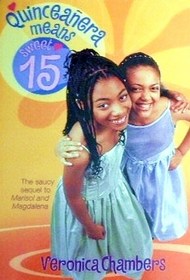
Quinceañera Means Fifteen, by Veronica Chambers, is part of a series featuring Marisol and Magdalena, two Panamanian best friends who live in Brooklyn. In this 2001 book, Marisol and Magdalena find their friendship strained as they plan their parties. The celebration is also featured in Chambers’ Amigas series – in Fifteen Candles and Lights Cameras Quince.

Belinda Acosta provides an adult perspective in her Quinceanera Club series. The main characters in 2009’s Damas, Dramas, and Ana Ruiz and 2010’s Sisters Strangers and Starting Over are organizing quinceañeras for reluctant teenagers. Acosta cited Fifteen Candles: 15 Tales of Taffeta, Hairspray, Drunk Uncles, and other Quinceanera Stories, a book of essays edited by Adriana V. Lopez, as a great resource.

For a non-fiction take on the big event, try Julia Alvarez’s 2007 Once Upon a Quinceañera: Coming of Age in the USA. She visited several quinceañeras as research for the book, which covers the tradition’s history and its financial costs. Ilan Stavans examines the religious, gender and class aspects in the 2010 anthology of essays he edited, Quinceañera (The Ilan Stavans Library of Latino Civilization).

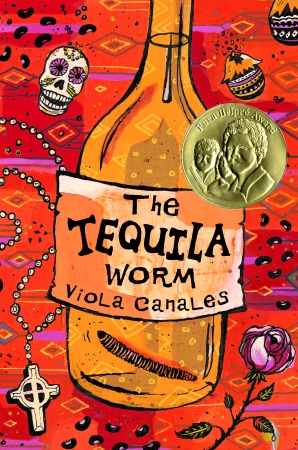
Other books about quinceañeras include (with a hat tip to Louisville Free Public Library): the Pura Belpré Award-winning The Tequila Worm by Viola Canales; Sister Chicas by Lisa Alvarado, Ann Hagman Cardinal and Jane Alberdeston Coralin; and Cuba 15 by Nancy Osa. And check out Sweet Fifteen by Diane Gonzales Bertrand.

1 Comment

Filed under Culture, Features, Fiction, Non-Fiction, Young Adult Books

Book review: Carlos Ruiz Zafón’s “The Prisoner of Heaven”

Carlos Ruiz Zafon’s The Prisoner of Heaven (Harper Collins) is a good escape about a great escape.

Daniel Sempere is a bookseller in Barcelona when, on Christmas 1957, he is visited by a stranger who has information about his friend, Fermín Romero de Torres. Fermín then is forced to reveal a secret from his past life.

He was imprisoned in the 1940s, where his cellmate, a writer named David Martín, had strange, delusional ramblings that earned him the nickname “The Prisoner of Heaven” and may have ties to Daniel.

Fermín feels trapped. He desperately wants to escape the horrendous conditions of the prison that, under the Franco dictatorship, is run by a governor with strong personal ambitions. His plan has the audacity of Andy Dufresne in Stephen King’s The Shawshank Redemption.

Prisoner is the third in the Cemetery of Forgotten Books series, following 2004’s The Shadow of the Wind and 2009’s The Angel’s Game, although you don’t have to read them in order. I haven’t read the two previous books, and I didn’t feel lost.

But I had high expectations for Heaven. Book bloggers on Twitter were buzzing about the book, apparently since Shadow is so good.

And Heaven is an entertaining book. The main characters are easy to like, and the plot kept me reading. But I was expecting more – something with the unputdownable pace and intrigue of Dan Brown’s Angels and Demons. (Don’t roll your eyes. I know it’s lowbrow, but that book is awesome.)

Heaven doesn’t reach that high of a level, but it’s still a good read.

More about Carlos Ruiz Zafón:

Carlos Ruiz Zafón is the author of six weeks, including several young adult novels. He lives in Barcelona and Los Angeles.

Source: I purchased this book through Amazon.com.

1 Comment

Filed under 2012 Books, Book Reviews, Fiction

In the News: New releases, writer’s workshop and García Márquez

Hello August! Here are great selections to beat the heat:

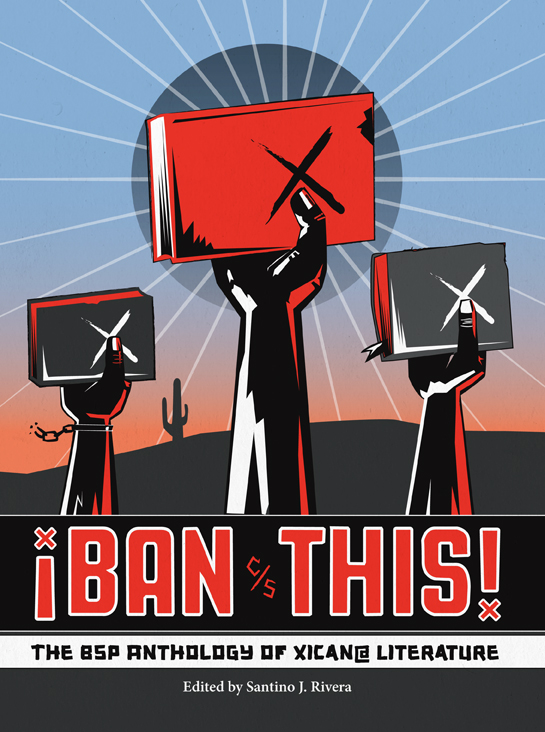
• Already released: Gustavo Arellano and Luis Alberto Urrea are among the writers who contributed to Ban This! The BSP Anthology of Xican@ Literature, edited by S.J. Rivera. The book was published in response to the state of Arizona’s ban on ethnic studies earlier this year.

• Now in paperback: Esmeralda Santiago’s Conquistadora, which was selected as Ladies’ Home Journal’s August Book of the Month (here’s a discussion guide and letter from Santiago); Paulo Coelho’s Aleph; Maria Duenas The Time in Between and Javier Sierra’s The Lost Angel.

Alisa Valdes has a new erotic e-novel out called Puta. You can read the first two chapters for free on Amazon.

Aug. 28: Reyna Grande writes about immigrating from Mexico to California in her memoir, The Distance Between Us.

Sept. 4: Count on Me: Tales of Sisterhoods and Fierce Friendships features an all-star list of Latinas –Santiago, Grande, Sofia Quintero, Carolina De Robertis, Lórraine Lopez writing about the importance of female friendships. The book was produced by Las Comadres and Friends National Latino Book Club and edited by Adriana V. López.

Writer’s Workshop

Speaking of Las Comadres, the organization will host a writer’s workshop Oct. 6 in New York City. Speakers include Sesame Street actress and children’s book writer Sonia Manzano, left, as well as Lyn DiIorio, and Caridad Pineiro.

In other news:

• Sad News: It’s been confirmed that Nobel Prize winner Gabriel Garcia Márquez,  right, can no longer write due to dementia, according to The New York Times. The Daily Beast/Newsweek ran an interesting blog post about his writing process.

Bless Me Ultima author Rudolfo Anaya was honored by the city of El Paso as the movie version of the book is expected to premiere in September, reports the El Paso Times.

• Poets and Writers magazine profiled the Librotraficante movement. Its founder, Tony Díaz is planning a “50 for Freedom of Speech” teach-in in all 50 states Sept. 21.

Joy Castro talked about her novel, Hell or High Water, to Book Page.

Mexican-American poet Manuel Paul Lopez of El Centro, Calif., was featured in a KCET animated short about his chapbook, “1984,” which is his interpretation of the classic George Orwell novel.

Junot Díaz discussed his short story, “The Cheater’s Guide to Love,” to The New Yorker. The story is included in his book, This is How You Lose Her, out on Sept. 11.

Diana Gabaldon will see her Outlander books made into a TV series, according to the Word & Film website.

• A recent edition of the NPR radio program “Latino USA” took a look at Luis Alfaro’s new play, “Bruja,” and got reading recommendations from Aurora Anaya Cerda, owner of La Casa Azul Bookstore in East Harlem, N.Y.

• A new literary prize for works written in Spanish will be named after the late Carlos Fuentes, reports Publishing Perspectives.

• Celebrating birthdays this month: Jorge Luis Borges on Aug. 24.

2 Comments

Filed under 2012 Books, Events, Fiction, News

Classic book review: Lorraine López’s “The Realm of Hungry Spirits”

Marina Lucero is having a stressful week.

In the first 50 pages of Lorraine López’s 2011 novel The Realm of Hungry Spirits, Marina has to comfort friends who lost their newborn baby; helps a neighbor being abused by her husband; puts up with two young adults crashing in her home; and ponders an offer to have her home cleansed in a Santeria practice.

“It’s like you’re host to a whole realm of hungry spirits,” one character tells her.

But Marina, a divorced teacher in the Los Angeles area, turns to Buddhism to practice compassion for others. It’s something she’s needed for a long time.

“(I wonder) why my life has to be this way: long stretches of mundane nothingness interrupted by a succession of tortuous days,” she says.

This book has plenty of drama, including one stunning twist at the end, but Hungry Spirits is actually a funny, fast-paced book that reminded me of Denise Chavez’s Loving Pedro Infante.

Take this line when an old man looks up her skirt.

“My palm tingles, so strong is the impulse to slap the lewd grin from his ancient face, but striking an old man is surely no way to attain Buddhahood.”

Or this:

“A small crucifix dangles from a slender gold chain around her neck, and I marvel anew at the way Christians blithely display artifacts commemorating the sadistic torture and murder of their founding leader. I know, I mean Christ is supposed to have died for their sins and all that, but still, adorning oneself with his crucified body, doesn’t that strike anyone but me as weird?”

My one complaint is that the book is stuffed with so many characters that I should have created a chart to keep up with everyone.

But López does a great job of showing the importance – and annoyance – of family in Latino life and, in a nice touch, she also mentions a few Hispanic authors.

A special nod should go to the book’s publisher, Grand Central Publishing, which has published several terrific novels by Latinas in the past few years – including Julia Amante’s Say You’ll Be Mine; Leila Cobo’s The Second Time We Met; and Gwendolyn Zepeda’s recently released Better With You Here.

Like Hungry Spirits, these are easy to read books that women will relate to and enjoy.

More about Lorraine López:

Lorraine López is the author of the short story collections Soy la Avon Lady and Other Stories and Homicide Survivor Picnic and Other Stories, the young adult novel Call Me Henri and the novel The Gifted Gabaldón Sisters. She teaches at Vanderbilt University in Nashville.

Source: I purchased this book through Amazon.com.

Note: This book is part of the series of classic books by Latina authors. Next up: Pamela Muñoz Ryan’s Esperanza Rising.

Leave a comment

Filed under 2011 Books, Book Reviews, Fiction

Book review: Gwendolyn Zepeda’s “Better with You Here”

In Gwendolyn Zepeda’s Better with You Here (Grand Central Publishing), single mother Natasha Davila can’t catch a break.

In the opening chapter, she’s competing with her ex-husband’s new girlfriend and dealing her son’s damp underwear.

“Fifty percent of my job as a mother is cleaning up bodily fluids… And then the other 50 percent is worrying,” she says.

Just when Natasha is getting some good luck – finding a decent babysitter and making friends with two other women in her Dallas apartment complex – her ex-husband demands full custody of their children, Alex and Lucia.

Better is a great read thanks to a fast-paced plot with a few interesting twists. But it’s strength lies in Natasha’s voice. She speaks matter-of-factly when she’s recounting her woes, not feeling sorry for herself. When she’s angry, she’s on fire and Zepeda’s words just flow.

“… I picked the wrong man to marry, which is what brought me to this point tobegin with.

What was the last thing I did right? If I had a time machine, how far back would I have to go to undo all the mistakes I’ve made?

This is stupid. Stop thinking this way. Why would I go back and undo anything? I wouldn’t want to live my life again without having Alex and Lucia, would I? No. And there’s no such thing as a time machine, so shut up. Get back to reality. Plan your next move.”

Zepeda is also terrific at describing the little things – such as the way the women struggle to make ends meet. In one scene, Natasha reveals her biggest loss since her divorce.

“That’s what I miss most about being married – my washer and dryer.”

Two other narrators are featured in the book – her 8-year-old son Alex and her friend Sara. Sara’s voice shows her smart-ass attitude (“I can’t stand church. It’s too damn boring.”), but a few of her lines are confusing and annoying.

Still, that’s one of the few weaknesses in this compelling book. Better with You Here makes a great summer read.

More about Gwendolyn Zepeda:

Texas native Gwendolyn Zepeda is the author of Houston, We Have A Problema and Lone Star Legend, as well as the children’s books Growing Up with Tamales and Sunflowers.

Source: I received a review copy from the publisher.

Leave a comment

Filed under 2012 Books, Book Reviews, Fiction

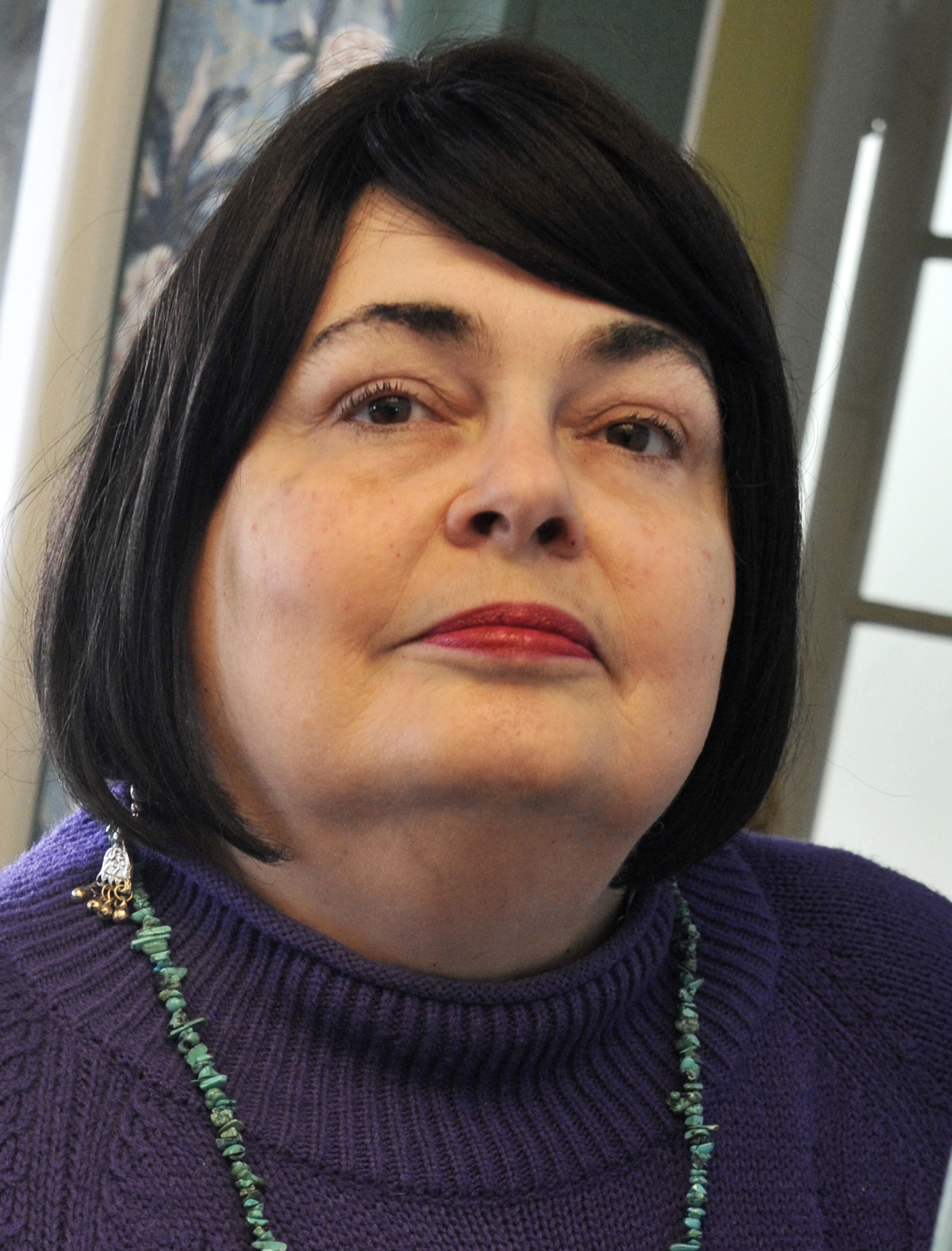
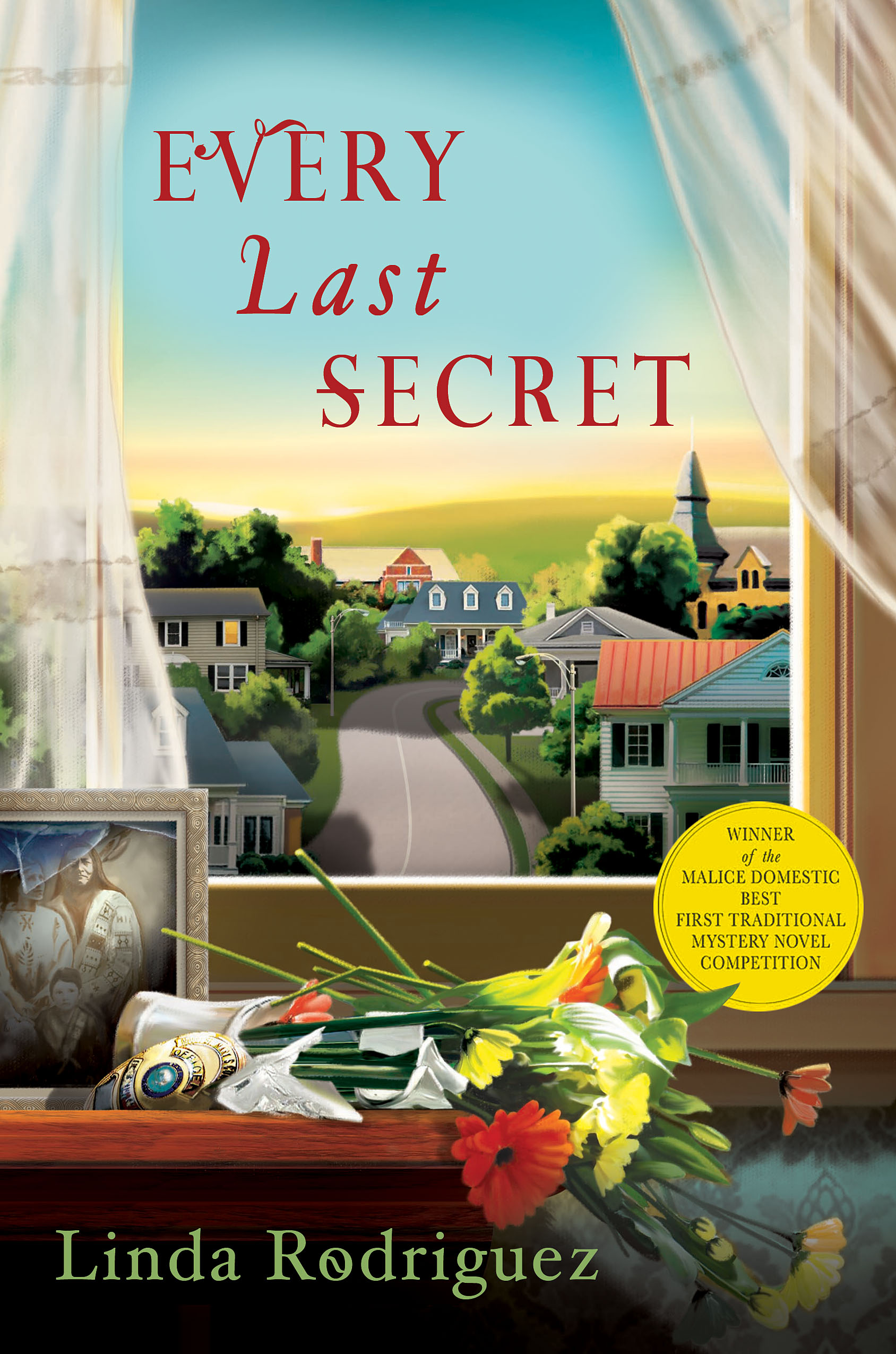
Meet novelist and poet Linda Rodriguez, author of “Every Last Secret”

Linda Rodriguez is the author of the recently released mystery novel Every Last Secret, but she’s also one of the most passionate advocates for Latino literature and other writers of color. Rodriguez’s blog features “Books of Interest by Writers of Color” and interviews with writers such as Joy Castro. She is also vice president of the Latino Writers Collective in Kansas City.

Every Last Secret won St. Martin’s/Malice Domestic Best First Traditional Mystery Novel Competition and was touted by Barnes & Noble as a mystery must-read for April. She also writes poetry and she recently edited Woven Voices: 3 Generations of Puertorriqueña Poets Look at Their American Lives (Scapegoat Press). She can be found on Facebook and Twitter.

Q: Tell me about your latest book, Every Last Secret.

A: Half-Cherokee Marquitta “Skeet” Bannion thought she was leaving her troubles behind when she fled the stress of being the highest ranking woman on the Kansas City Police Department, a jealous cop ex-husband who didn’t want to let go, and a disgraced alcoholic ex-cop father. Moving to a small town to be chief of the campus police force, she builds a life outside of police work. She might even begin a new relationship with the amiable Brewster police chief.

All of this is threatened when the student editor of the college newspaper is found murdered on campus. Skeet must track down the killer, following trails that lead to some of the most powerful people in the university. In the midst of her investigation, Skeet takes up responsibility for a vulnerable teenager as her ex-husband and seriously ailing father wind up back on her hands. Time is running out, and college administrators demand she conceal all college involvement in the murder, but Skeet will not stop until she’s unraveled every last secret.

Every Last Secret is the first in a series with Skeet Bannion as the protagonist. Skeet, like most of us, has some internal issues she has to learn to deal with. Each book is a complete mystery novel in itself, but I see the entire series as a kind of meta-novel following Skeet’s growth as a person. I like Julia Spencer-Fleming’s categorization of “traditional mystery-thriller” as a description. Every Last Secret is, indeed, a traditional mystery set in a small town, but the small town is right outside a big, dangerous city, and there’s a darker edge to this character, this book, and the series as a whole.

Q: What inspired you to go into writing?

Writing saved my life. I had a troubled childhood with parental involvement in violence and substance abuse. I’ve seen the sad ends of many who came from similar backgrounds. Reading books and writing poetry and journals made a difference for me, I’m sure. I come from several long lines of storytellers. The oral tradition was rich in my family, though they were poor in so much else. Writing was a door that opened for me at a young age.

I write crime fiction because it’s one genre of literature that is looking at the problems in our society—where they come from and what they do to us. As a child, I lived at close quarters with evil. I know too well that the possibility for it is inherent in each of us. I’m interested in exploring why some people fall into it and others in the same circumstance don’t and what this society does to and for people.

Now that the second Skeet Bannion book is in production, I’m working on a new series as well. This one will look at the Chicano community in Kansas City. The Skeet books are about being a mixed-blood Indian living a life surrounded by Anglo culture and the difficulties of remaining Indian under those circumstances, circumstances that many live under in American cities far from the reservations and their people. The new series will look at a vibrant Midwestern Chicano community that few people elsewhere even realize exists. Its protagonists are living in the heart of their community, and although at times that frustrates them, they draw real strength from it, even as they are faced with questions of assimilation and success in the Anglo world.

Q: Your blog encourages readers to read writers of color. What can we do to encourage more people to read Latino literature?

The first thing we can do is to bring the names and work of more Latino writers to the public. I started the series, “Books of Interest by Writers of Color,” because as a member of the Latino Writers Collective, after our readings I was often asked by parents, teachers, and librarians how to find out about Latino writers for their kids and their own reading. These were people of good will, often Latino themselves, but they couldn’t find much beyond the big names like Sandra Cisneros and Junot Díaz.

Latino writers are not published as much and are not reviewed as much as Anglo writers. This is changing, but very slowly. We actually have a large number of fine Latino writers, but if they’re published, it will usually be by one of a handful of small presses or university presses. These presses deserve all our gratitude and support. But they usually don’t have the budgets or staff to do much in the way of promotion. So a relatively few number of people actually hear about these books when they’re published. Trying to make Latino literature more visible are a handful of projects like Letras Latinas and The Latino Poetry Review run by Francisco Aragón out of the University of Notre Dame and LatinoStories.com run by Jose B. Gonzalez—and of course, The Hispanic Reader. Also, we are fortunate to have the gifted writer and critic Rigoberto Gonzalez, who reviews many Latino authors and who campaigns for more Latino writers to review the books of others.

One thing readers can do is to tell others about good Latino writers when they find them. They can also go on Amazon and Barnes & Noble and Goodreads websites and write short reviews of the books by Latino authors. I’ve been fortunate enough to have been reviewed in all the major review publications and over twenty newspapers across the country, but my publishers tell me that those reviews don’t sell as many books as a simple review on Amazon, B&N, or Goodreads. A third thing readers can do is to ask their library systems to order the books of Latino authors—and then check them out and get others to check them out. Also, support those small and university presses that have supported our writers, so they can continue to bring to us the best new Latino writers.

2 Comments

Filed under 2012 Books, Author Q&A, Fiction, Poetry

Happy birthday, Pablo Neruda!

Pablo Neruda was born July 12, 1904, and died Sept. 23, 1973. He is Latino literature’s best known poet, winning the Nobel Prize for Literature in 1971.

He grew up in Temuco, Chile, where he knew future Nobel Prize-winning poet Gabriela Mistral, and started writing as a young boy. He wrote his poetry while serving as a diplomat and in the Chilean Senate. While best known for his love poems, Neruda’s Communist viewpoints are reflected in works such as Canto General.

His popularity has made him the subject of two novels. In Antonio Skarmeta’s Il Postino, he inspires an Italian postal carrier to write poetry to woo a young lady. The book was made into the 1994 Academy Award-nominated movie. (The DVD includes a 30-minute feature about his life, with celebrities such as Madonna and Samuel L. Jackson reading his works.) In Roberto Ampuero’s excellent The Neruda Case, Neruda is shown in the last days of his life – reflecting on his past loves as he is dying of cancer and the Chilean government is about to be overthrown.

If you want to introduce children to Neruda, check out Monica Brown’s Pablo Neruda, Poet of the People and Pam Muñoz Ryan’s award-winning The Dreamer.

Read more about Neruda on the Poetry Foundation website and the Poets.org website.

1 Comment

Filed under Author Profiles, Children's Books, Poetry