Category Archives: Fiction

Book review: Carlos Ruiz Zafón’s “The Prisoner of Heaven”

Carlos Ruiz Zafon’s The Prisoner of Heaven (Harper Collins) is a good escape about a great escape.

Daniel Sempere is a bookseller in Barcelona when, on Christmas 1957, he is visited by a stranger who has information about his friend, Fermín Romero de Torres. Fermín then is forced to reveal a secret from his past life.

He was imprisoned in the 1940s, where his cellmate, a writer named David Martín, had strange, delusional ramblings that earned him the nickname “The Prisoner of Heaven” and may have ties to Daniel.

Fermín feels trapped. He desperately wants to escape the horrendous conditions of the prison that, under the Franco dictatorship, is run by a governor with strong personal ambitions. His plan has the audacity of Andy Dufresne in Stephen King’s The Shawshank Redemption.

Prisoner is the third in the Cemetery of Forgotten Books series, following 2004’s The Shadow of the Wind and 2009’s The Angel’s Game, although you don’t have to read them in order. I haven’t read the two previous books, and I didn’t feel lost.

But I had high expectations for Heaven. Book bloggers on Twitter were buzzing about the book, apparently since Shadow is so good.

And Heaven is an entertaining book. The main characters are easy to like, and the plot kept me reading. But I was expecting more – something with the unputdownable pace and intrigue of Dan Brown’s Angels and Demons. (Don’t roll your eyes. I know it’s lowbrow, but that book is awesome.)

Heaven doesn’t reach that high of a level, but it’s still a good read.

More about Carlos Ruiz Zafón:

Carlos Ruiz Zafón is the author of six weeks, including several young adult novels. He lives in Barcelona and Los Angeles.

Source: I purchased this book through Amazon.com.

1 Comment

Filed under 2012 Books, Book Reviews, Fiction

In the News: New releases, writer’s workshop and García Márquez

Hello August! Here are great selections to beat the heat:

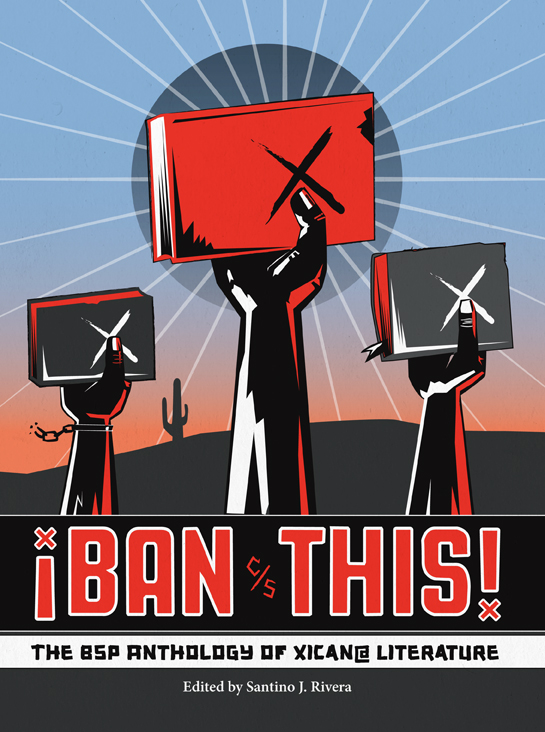
• Already released: Gustavo Arellano and Luis Alberto Urrea are among the writers who contributed to Ban This! The BSP Anthology of Xican@ Literature, edited by S.J. Rivera. The book was published in response to the state of Arizona’s ban on ethnic studies earlier this year.

• Now in paperback: Esmeralda Santiago’s Conquistadora, which was selected as Ladies’ Home Journal’s August Book of the Month (here’s a discussion guide and letter from Santiago); Paulo Coelho’s Aleph; Maria Duenas The Time in Between and Javier Sierra’s The Lost Angel.

Alisa Valdes has a new erotic e-novel out called Puta. You can read the first two chapters for free on Amazon.

Aug. 28: Reyna Grande writes about immigrating from Mexico to California in her memoir, The Distance Between Us.

Sept. 4: Count on Me: Tales of Sisterhoods and Fierce Friendships features an all-star list of Latinas –Santiago, Grande, Sofia Quintero, Carolina De Robertis, Lórraine Lopez writing about the importance of female friendships. The book was produced by Las Comadres and Friends National Latino Book Club and edited by Adriana V. López.

Writer’s Workshop

Speaking of Las Comadres, the organization will host a writer’s workshop Oct. 6 in New York City. Speakers include Sesame Street actress and children’s book writer Sonia Manzano, left, as well as Lyn DiIorio, and Caridad Pineiro.

In other news:

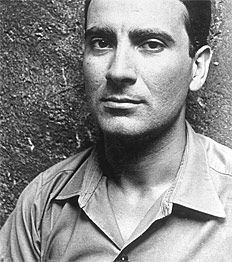
• Sad News: It’s been confirmed that Nobel Prize winner Gabriel Garcia Márquez,  right, can no longer write due to dementia, according to The New York Times. The Daily Beast/Newsweek ran an interesting blog post about his writing process.

Bless Me Ultima author Rudolfo Anaya was honored by the city of El Paso as the movie version of the book is expected to premiere in September, reports the El Paso Times.

• Poets and Writers magazine profiled the Librotraficante movement. Its founder, Tony Díaz is planning a “50 for Freedom of Speech” teach-in in all 50 states Sept. 21.

Joy Castro talked about her novel, Hell or High Water, to Book Page.

Mexican-American poet Manuel Paul Lopez of El Centro, Calif., was featured in a KCET animated short about his chapbook, “1984,” which is his interpretation of the classic George Orwell novel.

Junot Díaz discussed his short story, “The Cheater’s Guide to Love,” to The New Yorker. The story is included in his book, This is How You Lose Her, out on Sept. 11.

Diana Gabaldon will see her Outlander books made into a TV series, according to the Word & Film website.

• A recent edition of the NPR radio program “Latino USA” took a look at Luis Alfaro’s new play, “Bruja,” and got reading recommendations from Aurora Anaya Cerda, owner of La Casa Azul Bookstore in East Harlem, N.Y.

• A new literary prize for works written in Spanish will be named after the late Carlos Fuentes, reports Publishing Perspectives.

• Celebrating birthdays this month: Jorge Luis Borges on Aug. 24.

2 Comments

Filed under 2012 Books, Events, Fiction, News

Classic book review: Lorraine López’s “The Realm of Hungry Spirits”

Marina Lucero is having a stressful week.

In the first 50 pages of Lorraine López’s 2011 novel The Realm of Hungry Spirits, Marina has to comfort friends who lost their newborn baby; helps a neighbor being abused by her husband; puts up with two young adults crashing in her home; and ponders an offer to have her home cleansed in a Santeria practice.

“It’s like you’re host to a whole realm of hungry spirits,” one character tells her.

But Marina, a divorced teacher in the Los Angeles area, turns to Buddhism to practice compassion for others. It’s something she’s needed for a long time.

“(I wonder) why my life has to be this way: long stretches of mundane nothingness interrupted by a succession of tortuous days,” she says.

This book has plenty of drama, including one stunning twist at the end, but Hungry Spirits is actually a funny, fast-paced book that reminded me of Denise Chavez’s Loving Pedro Infante.

Take this line when an old man looks up her skirt.

“My palm tingles, so strong is the impulse to slap the lewd grin from his ancient face, but striking an old man is surely no way to attain Buddhahood.”

Or this:

“A small crucifix dangles from a slender gold chain around her neck, and I marvel anew at the way Christians blithely display artifacts commemorating the sadistic torture and murder of their founding leader. I know, I mean Christ is supposed to have died for their sins and all that, but still, adorning oneself with his crucified body, doesn’t that strike anyone but me as weird?”

My one complaint is that the book is stuffed with so many characters that I should have created a chart to keep up with everyone.

But López does a great job of showing the importance – and annoyance – of family in Latino life and, in a nice touch, she also mentions a few Hispanic authors.

A special nod should go to the book’s publisher, Grand Central Publishing, which has published several terrific novels by Latinas in the past few years – including Julia Amante’s Say You’ll Be Mine; Leila Cobo’s The Second Time We Met; and Gwendolyn Zepeda’s recently released Better With You Here.

Like Hungry Spirits, these are easy to read books that women will relate to and enjoy.

More about Lorraine López:

Lorraine López is the author of the short story collections Soy la Avon Lady and Other Stories and Homicide Survivor Picnic and Other Stories, the young adult novel Call Me Henri and the novel The Gifted Gabaldón Sisters. She teaches at Vanderbilt University in Nashville.

Source: I purchased this book through Amazon.com.

Note: This book is part of the series of classic books by Latina authors. Next up: Pamela Muñoz Ryan’s Esperanza Rising.

Leave a comment

Filed under 2011 Books, Book Reviews, Fiction

Book review: Gwendolyn Zepeda’s “Better with You Here”

In Gwendolyn Zepeda’s Better with You Here (Grand Central Publishing), single mother Natasha Davila can’t catch a break.

In the opening chapter, she’s competing with her ex-husband’s new girlfriend and dealing her son’s damp underwear.

“Fifty percent of my job as a mother is cleaning up bodily fluids… And then the other 50 percent is worrying,” she says.

Just when Natasha is getting some good luck – finding a decent babysitter and making friends with two other women in her Dallas apartment complex – her ex-husband demands full custody of their children, Alex and Lucia.

Better is a great read thanks to a fast-paced plot with a few interesting twists. But it’s strength lies in Natasha’s voice. She speaks matter-of-factly when she’s recounting her woes, not feeling sorry for herself. When she’s angry, she’s on fire and Zepeda’s words just flow.

“… I picked the wrong man to marry, which is what brought me to this point tobegin with.

What was the last thing I did right? If I had a time machine, how far back would I have to go to undo all the mistakes I’ve made?

This is stupid. Stop thinking this way. Why would I go back and undo anything? I wouldn’t want to live my life again without having Alex and Lucia, would I? No. And there’s no such thing as a time machine, so shut up. Get back to reality. Plan your next move.”

Zepeda is also terrific at describing the little things – such as the way the women struggle to make ends meet. In one scene, Natasha reveals her biggest loss since her divorce.

“That’s what I miss most about being married – my washer and dryer.”

Two other narrators are featured in the book – her 8-year-old son Alex and her friend Sara. Sara’s voice shows her smart-ass attitude (“I can’t stand church. It’s too damn boring.”), but a few of her lines are confusing and annoying.

Still, that’s one of the few weaknesses in this compelling book. Better with You Here makes a great summer read.

More about Gwendolyn Zepeda:

Texas native Gwendolyn Zepeda is the author of Houston, We Have A Problema and Lone Star Legend, as well as the children’s books Growing Up with Tamales and Sunflowers.

Source: I received a review copy from the publisher.

Leave a comment

Filed under 2012 Books, Book Reviews, Fiction

Meet novelist and poet Linda Rodriguez, author of “Every Last Secret”

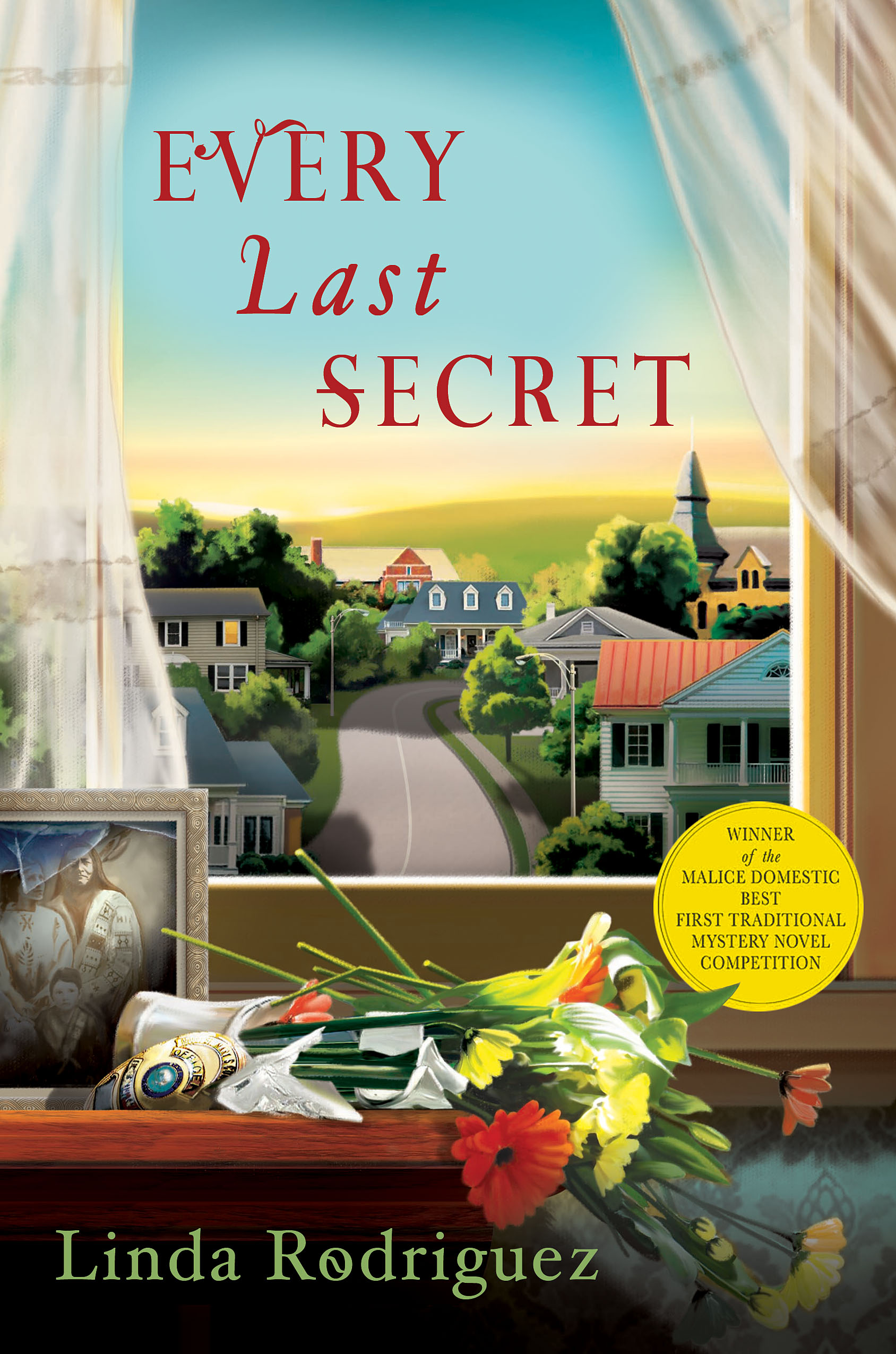
Linda Rodriguez is the author of the recently released mystery novel Every Last Secret, but she’s also one of the most passionate advocates for Latino literature and other writers of color. Rodriguez’s blog features “Books of Interest by Writers of Color” and interviews with writers such as Joy Castro. She is also vice president of the Latino Writers Collective in Kansas City.

Every Last Secret won St. Martin’s/Malice Domestic Best First Traditional Mystery Novel Competition and was touted by Barnes & Noble as a mystery must-read for April. She also writes poetry and she recently edited Woven Voices: 3 Generations of Puertorriqueña Poets Look at Their American Lives (Scapegoat Press). She can be found on Facebook and Twitter.

Q: Tell me about your latest book, Every Last Secret.

A: Half-Cherokee Marquitta “Skeet” Bannion thought she was leaving her troubles behind when she fled the stress of being the highest ranking woman on the Kansas City Police Department, a jealous cop ex-husband who didn’t want to let go, and a disgraced alcoholic ex-cop father. Moving to a small town to be chief of the campus police force, she builds a life outside of police work. She might even begin a new relationship with the amiable Brewster police chief.

All of this is threatened when the student editor of the college newspaper is found murdered on campus. Skeet must track down the killer, following trails that lead to some of the most powerful people in the university. In the midst of her investigation, Skeet takes up responsibility for a vulnerable teenager as her ex-husband and seriously ailing father wind up back on her hands. Time is running out, and college administrators demand she conceal all college involvement in the murder, but Skeet will not stop until she’s unraveled every last secret.

Every Last Secret is the first in a series with Skeet Bannion as the protagonist. Skeet, like most of us, has some internal issues she has to learn to deal with. Each book is a complete mystery novel in itself, but I see the entire series as a kind of meta-novel following Skeet’s growth as a person. I like Julia Spencer-Fleming’s categorization of “traditional mystery-thriller” as a description. Every Last Secret is, indeed, a traditional mystery set in a small town, but the small town is right outside a big, dangerous city, and there’s a darker edge to this character, this book, and the series as a whole.

Q: What inspired you to go into writing?

Writing saved my life. I had a troubled childhood with parental involvement in violence and substance abuse. I’ve seen the sad ends of many who came from similar backgrounds. Reading books and writing poetry and journals made a difference for me, I’m sure. I come from several long lines of storytellers. The oral tradition was rich in my family, though they were poor in so much else. Writing was a door that opened for me at a young age.

I write crime fiction because it’s one genre of literature that is looking at the problems in our society—where they come from and what they do to us. As a child, I lived at close quarters with evil. I know too well that the possibility for it is inherent in each of us. I’m interested in exploring why some people fall into it and others in the same circumstance don’t and what this society does to and for people.

Now that the second Skeet Bannion book is in production, I’m working on a new series as well. This one will look at the Chicano community in Kansas City. The Skeet books are about being a mixed-blood Indian living a life surrounded by Anglo culture and the difficulties of remaining Indian under those circumstances, circumstances that many live under in American cities far from the reservations and their people. The new series will look at a vibrant Midwestern Chicano community that few people elsewhere even realize exists. Its protagonists are living in the heart of their community, and although at times that frustrates them, they draw real strength from it, even as they are faced with questions of assimilation and success in the Anglo world.

Q: Your blog encourages readers to read writers of color. What can we do to encourage more people to read Latino literature?

The first thing we can do is to bring the names and work of more Latino writers to the public. I started the series, “Books of Interest by Writers of Color,” because as a member of the Latino Writers Collective, after our readings I was often asked by parents, teachers, and librarians how to find out about Latino writers for their kids and their own reading. These were people of good will, often Latino themselves, but they couldn’t find much beyond the big names like Sandra Cisneros and Junot Díaz.

Latino writers are not published as much and are not reviewed as much as Anglo writers. This is changing, but very slowly. We actually have a large number of fine Latino writers, but if they’re published, it will usually be by one of a handful of small presses or university presses. These presses deserve all our gratitude and support. But they usually don’t have the budgets or staff to do much in the way of promotion. So a relatively few number of people actually hear about these books when they’re published. Trying to make Latino literature more visible are a handful of projects like Letras Latinas and The Latino Poetry Review run by Francisco Aragón out of the University of Notre Dame and LatinoStories.com run by Jose B. Gonzalez—and of course, The Hispanic Reader. Also, we are fortunate to have the gifted writer and critic Rigoberto Gonzalez, who reviews many Latino authors and who campaigns for more Latino writers to review the books of others.

One thing readers can do is to tell others about good Latino writers when they find them. They can also go on Amazon and Barnes & Noble and Goodreads websites and write short reviews of the books by Latino authors. I’ve been fortunate enough to have been reviewed in all the major review publications and over twenty newspapers across the country, but my publishers tell me that those reviews don’t sell as many books as a simple review on Amazon, B&N, or Goodreads. A third thing readers can do is to ask their library systems to order the books of Latino authors—and then check them out and get others to check them out. Also, support those small and university presses that have supported our writers, so they can continue to bring to us the best new Latino writers.

2 Comments

Filed under 2012 Books, Author Q&A, Fiction, Poetry

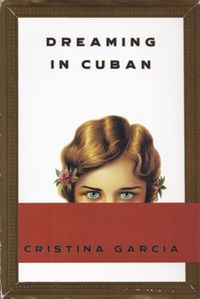
Classic book review: Cristina García’s “Dreaming in Cuban”

Cristina Garcia’s 1993 novel Dreaming in Cuban shows life under Fidel Castro’s rule from the point of view of three generations of strong women.

The del Pino family is led by Celia, who spends her last days patrolling the Cuban seas from any attacks from foreign invaders while memories of her past invade her mind. Celia has two daughters – Felicia, who faces abuse by her husband, and Lourdes, who goes to New York City and runs a successful business. Lourdes has a daughter, Pilar, who as a child of the late 1970s, rebels against her mother and yearns to go back to Cuba.

Occasionally, a male voice – such as Ivanito, Felicia’s son, gets a few pages – but this story is clearly about the women.

Garcia writes wonderfully descriptive passages, including the beginning of the book when Celia is out by the sea and sees her husband: “His blue eyes are like lasers in the night. The beams bounce off his fingernails, five hard blue shields. They scan the beach, illuminating shells and sleeping gulls, then focus on her.” The book also has some great observations about life. “Everything is mixed up, as if parts of me are turning in different directions at once,” Ivanito says.

But the book is challenging to read. The story is told in fragments, jumping back and forth in time and from narrator to narrator and from first person to third person. The mood of the book is mostly heavy – especially Felicia’s passages, so it’s a relief when Pilar comes along in with her wry observations or when Celia judges family disputes as head of the People’s Court. But, much of the time, the book drags because it doesn’t have a linear storyline that keeps the reader riveted.

If you like books with great description, Dreaming in Cuban is something you might enjoy. But it may be a frustrating read for those who prefer a strong plot.

More about Cristina Garcia:

Cristina García has written numerous novels, including The Lady Matador’s Hotel and, most recently, the young adult novel, Dreams of Significant Girls. Like the character Pilar, she grew up in New York City and attended Barnard College.

Source: I checked this book out of the library.

Note: This book is part of the series of classic books by Latina authors. Next up: Lorraine López’s The Realm of Hungry Spirits.

1 Comment

Filed under Book Reviews, Classic Books, Fiction

Book review: Robert Ampuero’s “The Neruda Case”

Roberto Ampuero’s The Neruda Case (Riverhead Books) is a fascinating book that combines a missing persons case, one of Chile’s most historic events and the life story of Latin America’s greatest poet.

Detective Cayetano Brulé is living in Valparaíso, Chile, in 1973 when he is asked by poet Pablo Neruda to find an old lover. The search takes Brulé to Mexico, Cuba and Germany – and he discovers some things about Neruda that lessens his deep admiration for the 70-year-old.

While the search is going on, Neruda is dying of cancer and remembering his past lovers from his life, including his time as a diplomat. He is feeling regret, including the abandonment of his wife when their child was born with a birth defect. Meanwhile, the country of Chile is under tumult as the government of Socialist President Salvador Allende – Neruda’s friend – is under siege from General Pinochet.

Ampuero, who used to live near Neruda when he was a child, kept most of the historical details but fictionalized the missing lover case. Ampuero writes at a fast pace so that even his descriptive passages don’t slow down the story. The book only becomes more intense as General Pinochet is preparing a coup. But, like Brulé, readers may have a different impression of Neruda as they read the book. He comes across as a selfish cad – or maybe just more human than his romantic poems.

The Neruda Case, which was translated by Perla author Carolina DeRobertis, is a great book that is not to be missed.

More about Roberto Ampeuro: Ampuero has written a dozen novels in Spanish, with The Neruda Case being his first published in English. He serves as Chile’s ambassador to Mexico and is a professor of creative writing at the University of Iowa. He wrote about his memories of the poet in this essay published in The Daily Beast/Newsweek.

Source: I received a review copy from the publisher.

Leave a comment

Filed under 2012 Books, Book Reviews, Fiction

Classic book review: Laura Esquivel’s “Like Water for Chocolate”

In the early 1990s, Like Water for Chocolate: A Novel in Monthly Installments with Recipes, Romances, and Home Remedies by Laura Esquivel was one of the most popular books in the world, thanks to a well-made movie and an intriguing love story. Its popularity was well-earned.

The main character, Tita, has been told that she must take care of her mother Mama Elena in her old age – denying her a chance to be with Pedro, who has declared his love for her. He agrees to marry her older sister, Rosaura, so he can be closer to her.

While Pedro and Rosaura are raising a family and the revolution rages in Mexico, Tita is running the family ranch. The events of her life push her to feel “‘like water for chocolate’ – she was on the verge for boiling over.’”

In fact, her volatile emotions are felt in the meals she cooks for her family – causing those who eat her food to feel the same emotions she does. (The recipes are printed at the beginning of each of the 12 chapters, although they seem too elaborate to cook.)

Although it’s story about love, Like Water is also interesting when depicting family dynamics and early feminism. Mama Elena is portrayed as a domineering woman who rules the household, and Tita questions why the youngest daughter has to take care of the mother. Here’s one great passage that describes her life:

“At her mother’s, what she had to do with her hands was strictly determined, no questions asked. She had to get up, get dressed, get the fire going in the stove, fix breakfast, feed the animals, wash the dishes, make the beds, fix lunch, wash the dishes, iron the clothes, fix dinner, wash the dishes, day after day, year after year. Without pausing for a moment, without wondering if this is what she wanted.”

I’m not always a big fan of magic realism, but it works well in this novel because, oddly, it seems natural. This is a great book that – thanks to its creativity and strong heroine – is as satisfying as one of its meals.

More about Laura Esquivel: Laura Esquivel, who lives in Mexico City, is a former teacher who also has written the books The Law of Love, Between Two Fires: Intimate Writings on Life, Love, Food, and Flavor and Malinche. The book was translated by Carol Christensen and Thomas Christensen.

Note: This is part of a series of classic books written by Latinas. Next up: Cristina Garcia’s Dreaming in Cuban. (Yes, I’m running a bit behind.)

Source: I bought a hardcover version of this book for $1 at a thrift store. Don’t you love it when that happens?

2 Comments

Filed under Book Reviews, Classic Books, Fiction

A look at LGBT Latino writers

June is Gay Pride Month. Here’s a look at some Latino writers who have written about the lesbian-gay-bisexual-transgendered experience:

• Poet Francisco X. Alarcón, right, is best known for his Pura Belpré Honor Award-winning book Laughing Tomatoes and Other Spring Poems/Jitomates Risuenos y Otros Poemas de Primavera, but he has written about the gay experience in his numerous poems and is working on an anthology of gay Latino poetry.

Jeanne Córdova, left, was on the forefront of the gay rights and women’s movement in the 1970s. Her most recent book, When We Were Outlaws: A Memoir of Love & Revolution, was partly written in Mexico. The book recently won the Lesbian Memoir/Biography prize from the 24th Annual Lambda Literary Awards.

• The late Manuel Puig, right, wrote one of Latino literature’s most famous works – the 1976 novel, Kiss of the Spider Woman, about a gay man and a revolutionary who are trapped in prison together – which became a play, a popular 1985 movie and Broadway musical. He also wrote 1968’s Betrayed by Rita Hayworth and 1973’s The Buenos Aires Affair.

Charles Rice-Gonzalez, left, wrote the 2011 book Chulito, about a young gay man growing up in the Bronx, and co-edited the book From Macho to Mariposa: New Gay Latino Fiction with Charlie Vázquez. Vásquez is active in promoting gay Latino poetry, and has created poetry readings for gay Latino writers in the East Village in New York City.

Alex Sanchez, right, has won numerous awards for his young adult novels about being gay. His books include Rainbow Boys and Boyfriends with Girlfriends. His website offers resources and other book selections for LGBT teens.

Anybody I miss? Let me know in the comments.

4 Comments

Filed under Features, Fiction, Non-Fiction, Poetry, Young Adult Books

Book review: Malín Alegría’s “Border Town: Crossing the Line”

Malín Alegría provides something the book world badly needed – a great young adult novel depicting Latino life.

Border Town: Crossing the Line (Point/Scholastic) is the first in a series of books modeled after the popular 1980s series Sweet Valley High, which followed the lives of two high school sisters living in California. Border Town features Fabiola Garza and her sister, Alexis, as they attend high school in the small (and fictional) town of Dos Rios in the Rio Grande Valley of Texas.

Even though Alegría lives in California, she perfectly captures the Valley beyond the characters’ meals of menudo and pan dulce. Here’s a line when Fabiola runs into her old Sunday school teacher while she’s buying personal items: “This was exactly why she hated living in the Valley. You couldn’t do anything without running into someone you knew!” (I used to live in the Valley, and that line is so accurate, I laughed out loud.) Fabiola yearns to escape small town life – seeing nearby McAllen as the oasis of cosmopolitan life. “This was how civilized people should live, Fabi though as she grinned to herself – with movie theaters, a mall, art galleries.”

The plot covers typical adolescent angst. Alexis begins attending Fabiola’s high school and runs with the cool kids. Fabiola gets jealous, and accuses one of Alexis’ new friends of committing a crime. The ending is a bit Nancy Drew-ish and unrealistic. The book also is a bit innocent in portraying high school life. While the girls attend a party where they can smell marijuana, sex isn’t mentioned at all.

But Border Town is a fast-paced, easy-to-read book that Latino teenagers will enjoy to read – mostly because they will see themselves in the pages.

More about Malín Alegría: Alegría also wrote Sofi Mendoza’s Guide to Getting Lost in Mexico and Estrella’s Quinceañera. Quince Clash, which comes out in July, is the next book in the series.

Source: I bought this book at Barnes and Noble.

1 Comment

Filed under 2012 Books, Fiction, Young Adult Books