Category Archives: Fiction

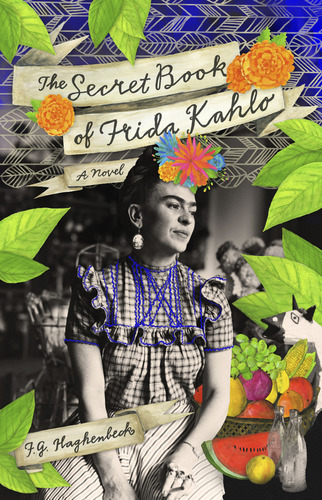
Book review: F.G. Haghenbeck’s “The Secret Book of Frida Kahlo”

Frida Kahlo loved food, elaborate skirts and Diego Rivera. But the iconic Mexican painter was haunted by death every day of her life. Mexican novelist F. G. Haghenbeck uncovers her inner life in the novel The Secret Book of Frida Kahlo (Atria).

The “secret book” refers to one of the journals found in La Casa Azul, her home in Mexico, and Haghenbeck imagines its content. Each chapter depicts a phase in her life – her childhood, her love affair with Mexican painter Diego Rivera, meetings with Ernest Hemingway and other writers in Paris – and ends with Kahlo’s thoughts and recipes.

Food plays a big role in reflecting her moods. When she lives in San Francisco and Detroit, she calls the food bland – just like the sad times she had there compared to the spicy flavors and life in her homeland. When Diego’s wife Lupe confronts her after their affair, it’s in the kitchen. As Lupe tells her, “A woman should know how to move in the kitchen so her man won’t want to eat anywhere else.” The chapter ends up becoming one of the most amusing in the book.

But the major motif of the book is death. Kahlo nearly died in a bus accident, and she made a deal with Death to sacrifice one thing each year she lives – compromises that include the loss of a child and Rivera’s constant infidelity.

Readers can feel her heartbreak thanks to Haghenbeck’s beautiful writing style, which includes great descriptions and inventive metaphors. (The book was translated by Achy Obejas.) Take this scene in which Rivera eyes Kahlo at one of their first meetings:

“He studied his interlocutor with his amphibian eyes. She smelled of fresh meat to be deliciously and vigorously devoured. She had a beautiful face, with deep eyes and charcoal hair. He noticed that her thick eyebrows met in the middle and crowned her delicate nose. He imagined them as wings of a blackbird struggling to fly.”

My only complaint: some chapters are stronger than others. But, overall, it’s a intriguing look into the mind of one of the most legendary figures in the Latino community.

More about F. G. Haghenbeck:

F. G. Haghenbeck, who was born and lives in Mexico, is known for his crime novels, such as the award-winning Trago amargo (Bitter Drink). He also has written for Superman and other graphic novels.

Source: I received a review copy from the publisher.

1 Comment

Filed under 2012 Books, Book Reviews, Fiction

Book review: Guadalupe Garcia McCall’s “Summer of the Mariposas”

Summer of the Mariposas (Tu Books/Lee & Low Books), a young adult novel by Guadalupe Garcia McCall, combines Aztec and Mexican folklore with the plot of The Odyssey and elements from the movies Stand By Me and Weekend at Bernie’s – and it works.

Odilia, 18, and her four sisters are struggling to get by after their father has abandoned their mother. They’re enjoying a dip in the Rio Grande near their Eagle Pass home when they come across a dead body – hints of the Stephen King short story The Body and the 1986 movie Stand By Me, in which four boys look for a corpse. The sisters decide to take the body to the man’s home in Mexico with a scene reminiscent of the 1989 movie Weekend at Bernie’s, in which two men drag around a dead body.

Before they leave, La Llorona – the Mexican folklore figure who haunts waterways, crying for the children she drowned – gives Odilia advice about the journey and perils she will face in Mexico, similar to the trials Odysseus faced in Homer’s epic tale The Odyssey.

Odilia – get it? – and her sisters face a siren named Cecilia, who lures the girls with pan  dulce, and a one-eyed shepherd named Chencho. Garcia McCall also manages to get in the loteriaa quinceanera, chupacabras and the Aztec goddess Tonantzin (also referred to as the Virgen de Guadalupe) in the book. And, just like Odysseus, Odilia grows during her journey. The mariposas are in the title for a reason.

Adults may find the symbolism heavy-handed, but the book is aimed at young adults and Mariposas is a good guide to get them through The Odyssey. The book has a light, amusing touch that makes it a fun read, and young Latinos will enjoy reading about their culture.

More about Guadalupe Garcia McCall:

Guadalupe Garcia McCall won the prestigious Pura Belpré Award for her first book, the 2011 young adult novel Under the Mesquite. Born in Mexico, she now lives in Texas and teaches at a junior high school. She talked to The Hispanic Reader last year about her works and inspiration.

Source: I received a review copy from the publisher.
1 Comment

Filed under 2012 Books, Book Reviews, Fiction, Young Adult Books

In the news: New books by Cisneros; book festivals; and tons of links about Junot Díaz

(Note: This post was updated to include the Junot Díaz award from the MacArthur Foundation.)

It’s October, and that means news books, book festival season and Dias de los Muertos. Find out more below:

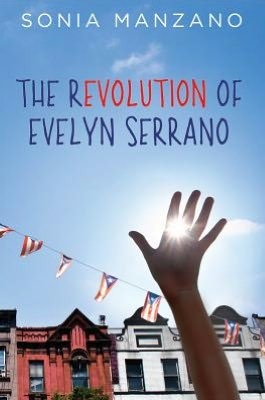
Already out: Sesame Street actress Sonia Manzano’s young adult novel The Revolution of Everlyn Serrano depicts a Puerto Rican teen growing up in Spanish Harlem in the turbulent 1960s. Manzano talked to the TBD website about the book.

• Oct. 1: Guadalupe García McCall, author of the Pura Belpre winning book Under the Mesquite, releases Summer of the Mariposas, a retelling of Homer’s The Odyssey through the eyes of five sisters.

Oct. 2: Sandra Cisneros writes about her missing cat in the illustrated book, Have You Seen Marie?

Oct. 9: In the young adult novel A Thunderous Whisper by Christina Díaz Gonzalez, a 12-year-old girl is caught up in spying during the Spanish Civil War.

Oct. 16: Benjamin Alire Saenz releases a collection of short stories, Everything Begins and Ends at the Kentucky Club. In The Miracle Cures of Dr. Aira by Cesar Aira, a doctor discovers he has superhuman powers.

Junot Díaz alert:

Junot Díaz was awarded the prestigious MacArthur “Genius Award” on Oct. 1. The honor is given by the MacArthur Foundation to outstanding individuals in the arts, humanities and sciences.

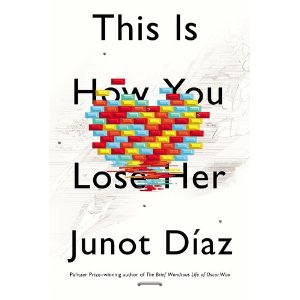
Need a Junot Díaz fix? Lots of people do since his collection of short stories, This Is How You Lose Her, was released last month. Nearly a thousand fans crammed into a New York City Barnes and Noble, causing a near riot, according to the ColorLines website. He chatted with The New York Times Magazine’s recent “Inspiration” issue about what has influenced his writing, and a nice slideshow is included. He talked about the main character’s game to NPR; his Dominican background to NBC Latino; genre fiction to Capital New York; and the perceived sexism in his book to The Atlantic. He also went bar-hopping with Grantland. But wait, here’s more articles from Latina magazine, the NPR radio show Latino USA, Huffington Post, the Good Reads website and CNN. Here’s some podcasts from The New York Timesand the Brooklyn Vol. 1 website, where Díaz discusses his passion for comic books. He talked about his love for the Hernandez brothers (of Love and Rockets fame) to the NPR radio program Latino USA. Still can’t get enough of Díaz? Check out his Facebook feed or the new fan website, Junot Díaz Daily.

Book Festivals:

Oct. 1-6: The San Diego City College Int’l Book Fair will include Reyna Grande (left), Gustavo Arellano, Rudy Acuña, Matt de la Peña and Herbert Sigüenza.

Oct. 13 – The Los Angeles Latino Book & Family Festival will feature Victor Villaseñor and Luis J. Rodriguez.

Oct. 27: The Boston Book Festival will feature Junot Díaz and Justin Torres, right.

Oct. 27-28: The Texas Book Festival in Austin will feature Gustavo Arellano, Nora de Hoyos Comstock, Junot Díaz, Reyna Grande, Diana López, Domingo Martinez, Guadalupe Garcia McCall, Benjamin Alire Sáenz, René Saldaña Jr., Esmeralda Santiago, Ilan Stavans, Duncan Tonatiuh, Juan Pablo Villalobos, Ray Villareal and Gwendolyn Zepeda.

Literary magazines:

Aztlan Libre Press has released the book Nahualliandoing Dos: An Anthology of Poetry, which was influenced by Cecilio Garcia-Camarillo, Caracol and Nahualliandoing.

• Here’s an interesting article from Ploughshares literary magazine from Jennifer De Leon (no relation) about whether to italicize foreign phrases in literary works, with a mention of Junot Díaz (him again!).

Events:

• Las Comadres Para Las Americas will host a writer’s workshop Oct. 6 in New York City. Speakers include  Sonia Manzano, Lyn DiIorio, and Caridad Pineiro.

• The Festival de la Palabra, which includes discussions and readings from from Rosa Beltrán, Ángel Antonio Ruiz Laboy and Charlie Vásquez, takes place Oct. 9-11 in New York City.

Other news:

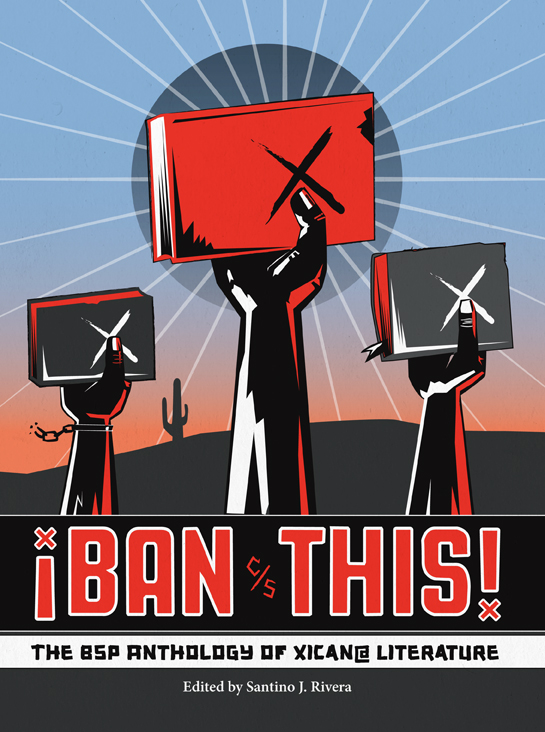
• The Southern California public radio station KPCC covered a reading of Ban This! The BSP Anthology of Chicano Literature, written in response to the state of Arizona’s ban on ethnic studies.

• Poet Lupe Mendez was named one of the Houston Press’s top 100 creative people.

Héctor Tobar’s 2011 novel The Barbarian Nurseries may be adapted into a movie, according to ComingSoon.net.

• The film version of Rudolfo Anaya’s Bless Me Ultima premiered in El Paso, according to the El Paso Times.

• A new film based on Juan Gonzalez’s Harvest of Empire: A History of Latinos in America is being released.

Justin Torres, author of 2011’s We the Animals, was named to the National Book Founationa’s 5 under 35 list of emerging authors.

Also this month:

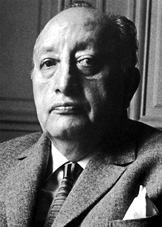
• Celebrating birthdays this month: Nobel Prize winner Miguel Angel Asturias, right, on Oct. 19.

• The Nobel Prizes will be announced this month, and Book Riot has its predictions. (It’s not likely a Latino or an American will win this year.) Here’s a look at Latinos who’ve won the award.

• Looking for some books for Dias de los Muertos? Here’s The Hispanic Reader’s round-up from last year.

Leave a comment

Filed under 2012 Books, Events, Fiction, Movies, News, Non-Fiction, Young Adult Books

Book review: Joy Castro’s “Hell or High Water” and “Island of Bones”

Class and cultural identity are two topics that don’t get as much attention as much as they should, but Joy Castro tackles the issues in her suspense novel Hell or High Water and a book of essays, Island of Bones.

Hell or High Water (St. Martin’s Press) begins with an intriguing premise. A young woman is kidnapped from a restaurant in broad daylight. The book then turns to Nola Céspedes, a Cuban-American newspaper reporter who’s assigned to investigate sexual predators in post-Hurricane Katrina New Orleans.

The book only devotes a few passages to the kidnapping that hooks the reader. Instead, it delves into the Nola’s long interviews for her article and her personal struggles. Nola is supposed to come off as ambitious and sarcastic, but I found her snobby and pretentious, especially when she talked about her job.

“I’ve got no intention of sticking around,” she says. “The plan is to write a few knockout features, get noticed, pack my bags and then take my clips to some real newspaper in some real city.”

Well, aren’t you special? In 2008, the year the story (somewhat randomly) takes place, and even today, she would have been lucky to have any job in newspapers.

I also wanted the book to be more about the potential killer on the loose than on Nola. And as a former newspaper reporter, I found the newsroom scenes could have been so much more – which may by why I’m more critical of this book than if Nola had been a police detective or a private investigator.

Fortunately, Castro writes clearly, so the book was an easy read. And Castro is terrific at bringing up class issues that many other writers ignore. In one scene, she talks to two lower-income women about sexual predator laws.

“Neither of the women has heard of Megan’s Law. Neither knows she can access a sex-offender registry online. Neither one owns a computer.”

At the end of the book, I understood more about the decisions that Nola makes. But I wished I could have liked her more.

I liked Island of Bones (University of Nebraska Press) much better. The collection of essays covers Castro’s personal life, including a horribly abusive childhood, and her career working as the rare Latina in academia in the Midwest.

The title essay examines the stereotypes people have about Latinos, such as their faith and looks. Another great essay, “Fitting,” discusses the subtle barbs of female friendships and the importance of a good spouse.

Like her novel, Castro excels when she discusses class issues. Coming from a poor background, she is amazed at the food spreads in the faculty meetings at the college at she works.

In one of the best essays, “On Becoming Educated,” she points out how academia doesn’t reach out to everyday Latinas.

“I’m a first-generation college student, here by fluke on fellowship, and the theorists’ English seems foreign to me, filled with jargon and abstractions at which I can only guess. They say nothing about wife-beating or rape or unequal wages or child molesting, which is the charge that finally got my stepfather sent to prison. They say nothing about being a single mother on ten thousand dollars a year, which is my own situation. The feminist writers respond to male theorists – Lacan, Derrida – whose work I haven’t read. I can’t parse their sentences or recognize their allusions, and I don’t know what they mean or how they’re helpful to the strippers and dropouts and waitresses I know, the women I care abut the most, to my aunt Lettie who worked the register at Winn-Dixie and my aunt Linda who cleaned houses.”

Fortunately, in Castro, women like Lettie and Linda have someone that’s writing about them.

More about Joy Castro:

Joy Castro’s first book was the 2005 memoir The Truth Book: Escaping a Childhood of Abuse Among Jehovah’s Witnesses. She is an associate professor at the University of Nebraska-Lincoln.

Source: I checked Hell or High Water out of the library. I received a review copy of Island of Bones from the publisher.

Leave a comment

Filed under 2012 Books, Book Reviews, Fiction, Non-Fiction

Book review: Junot Díaz’s “This is How You Lose Her”

Junot Díaz’s collection of short stories, This Is How You Lose Her (Riverhead), is absolutely brilliant – and just a tad annoying.

Most of the stories feature Yunior – a character in Díaz’s first book, Drownwho, like Díaz, was born in the Dominican Republic, immigrated to New Jersey as a child and teaches creative writing in the Boston area. All of these stories are told in Díaz’s unique voice that seems to be speaking to you like you’re his best friend. The voice is tormented, cynical and, to the reader, entertaining to read.

The book shows Yunior in different phases from his life, including one story (“Invierno”) from his childhood in which he is fascinated by the snow and disillusioned by his father: “I had expected a different father, one about seven feet tall with enough money to buy our entire barrio, but this one was average height, with an average face.”

But, most of the time, Yunior always seems to be breaking up with a woman or in some sort of relationship drama. “And that’s when I know it’s over,” Yunior says in “The Sun, the Moon, the Stars.” “As soon as you start thinking about the beginning, it’s the end.”

In “The Pura Principle” Yunior’s brother, Rafa, has been diagnosed with cancer. It’s one of the best stories in the book, and it has some of the best lines, such as when their mother turns to religion: “She’d never been on big on church before, but as soon as we landed on cancer planet she went so over-the-top Jesucristo that I think she would have nailed herself to a cross if she had one handy.”

An abusive partner is described as “a two-year-long PSA,” and a new friend is termed as “fresh-off-the-boat-didn’t-have-no-papers Dominican.”

And there’s this: “Pura was her name. Pura Adames. Pura Mierda was what Mami called her.”

While it’s a great line, that sentence also represents the book’s one flaw. Many of the women are portrayed as lying sluts. Yunior is not a saint himself, but I’d wish the women were more multidimensional, such as in “Miss Lora”,  in which Yunior has an affair with an older woman, or in “Otra Vida, Otra Vez,” about an immigrant who works in a laundry room and waits for her family to call every Sunday.

(Díaz’s frequent use of the “F” and “N” words also may turn off some readers, although I understand that language is a reflection of the working class lives portrayed in the stories.)

But then, in the last story in the book, “The Cheater’s Guide to Love,” Yunior begins to grow up after his girlfriend catches him cheating on her and dumps him. You feel for Yunior because Díaz captures the pain of a broken heart so well – it’s slow, it’s hard, and it’s painful. It’s the perfect ending to a great book.

More about Junot Díaz:

Díaz is the author of the 1997 short story collection Drown and the 2008 novel The Brief Wondrous Life of Oscar Wao, which won the Pulitzer Prize for Fiction.

Source: I received a review copy from the publisher.
3 Comments

Filed under 2012 Books, Book Reviews, Fiction

In the news: New releases from González and Díaz, book festivals and more

September means new books and book festivals. Here’s a look at what’s going on:

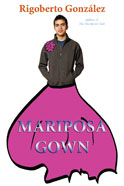
Already released: Rigoberto González’s Mariposa Gown – a sequel to The Mariposa Club –depicts the friendship between three teenage boys who want to make a splash at their high school prom with the titular outfit.

Brazilian writer Jorge Amado‘s The Double Death of Quincas Water-Bray and The Discovery of America by the Turks have received new translations from Gregory Rabassa. To mark Amado’s 100th birthday, Rabassa and writer Rivka Glachen will discuss Amado’s work Sept. 17 at the Queen Sofia Spanish Institute, reports the Shelf Awareness newsletter. The Millions website also wrote about the two new releases.

• Sept. 11: Pulitzer Prize winner Junot Díaz will release a collection of short stories, This is How You Lose Her. Here’s a cool Pinterest board by blogger Poornima Apte that shows the town and other details from the book. (She did the same for Roberto Ampuero’s The Neruda Case and other books.) Díaz has been all over the media: dressing up in Edith Wharton-era clothes for a Vogue fashion spread; discussing his love life in New York magazine; sharing his reading habits with The New York Times; and compiling a playlist to NPR’s alt. Latino website.

Sept. 25: In the novel The Secret Book of Frida Kahlo, Mexican writer F.G. Haghenbeck writes about the life of the iconic Mexican artist.

Sept. 27: Spoken word poet Carlos Andrés Gómez discusses how masculinity is evolving in Man Up: Cracking the Code of Modern Manhood.

Book festivals:

Here’s a look at some upcoming book festivals:

• Sept. 15: Houston Librofest will play host to Gwendolyn Zepeda (right), Javier O. Huerta and Sarah Cortez.

• Sept. 22-23: The National Book Festival in Washington, D.C. will feature Sandra Cisneros, Junot Díaz, Mario Vargas Llosa, Justin Torres and Maria Dueñas. Mexican-born, California-based Rafael Lopez is the festival artist.

Sept. 23: The Brooklyn Book Festival will include Carlos Andrés Gómez, Charles Rice-Gonzalez, Reyna Grande, Esmeralda Santiago, Luis Alberto Urrea, and graphic artists Gilbert & Jaime Hernandez.

• Sept. 28-30: The Baltimore Book Festival will feature Caridad Pineiro and Carmen Ferreiro-Esteban.

Literary Magazines:

• Several Latino-oriented literary magazines are out with new issues. Acentos Review, edited by Bonafide Rojas, focuses on music on its August 2012 edition. The bilingual BorderSenses published its 18th volume. Lorna Dee Cervantes, Rigoberto Gonzales and Andrea J. Serrano are featured in the latest issue of the Mas Tequila Review.

• The fall issue of Zyzzyva magazine, which is devoted to West Coast writers, features works by Dagoberto Gilb and Luis Alberto Urrea.

Librotraficante:

Sept. 21: Librotraficante, which was founded earlier this year to protest the state of Arizona’s ban on ethnic studies, will host a 50 States of Freedom of Speech event in honor of Hispanic Heritage Month, which begins Sept. 15.

Writer’s Workshop

Las Comadres Para Las Americas will host a writer’s workshop Oct. 6 in New York City. Speakers include Sesame Street actress and children’s book writer Sonia Manzano, author of the just released The Revolution of Evelyn Serrano, as well asLyn DiIorio, and Caridad Pineiro.

Other features:

• NPR featured the latest work of graphic comic book artist Jaime Hernandez, creator of the Love and Rockets series.

• The El Paso Times has marked the 40th anniversary of the Rudolfo Anaya novel Bless Me Ultima with essays from Rigoberto González, Denise Chávez and other writers.

• Argentine writers will now receive a pension, according to The New York Times.

Reyna Grande, author of The Distance Between Us, talked to the Zyzzyva website.

• Junot Díaz was among the writers at the Edinburgh World Writer’s Conference who condemned Arizona’s ban on ethnic studies.

3 Comments

Filed under 2012 Books, Events, Fiction, News

Labor Day literature: The farmworkers movement in print

Americans will celebrate workers this Labor Day weekend. Two of the Latino community’s most prominent figures – César Chávez and Dolores Huerta – led the farmworkers movement in the 1960s, demanding better conditions for the workers who picked grapes in California. The movement not only had an impact on workers’ rights, but on Latino literature as well.

Here’s a look at some books about Chávez and Huerta, a couple of novels that portray the life of farmworkers, and the story of how the movement gave birth to one of the Hispanic community’s most prominent theaters:

For children: Children can learn about the movement in Side by Side: The Story of Dolores Huerta and César Chávez by Monica Brown, Harvesting Hope: The Story of César Chávez by Kathleen Krull and Dolores Huerta: A Hero to Migrant Workers, by Sarah Warren.

For adults: The Words of César Chávez is a book of Chávez’s speeches and writings. It was included in the Library of Congress exhibit, The Books That Shaped America. Delano: The Story of the California Grape Strike, by John Gregory Dunne and Ilan Stavans, is a comprehensive look at the strike, while Cesar Chavez: Autobiography of La Causa by Jacques Levy focuses on Chávez. (A film of Chávez’s life is being made into a movie starring Diego Luna, according to The Los Angeles Times.) The Fight in the Fields by Susan Ferriss and Ricardo Sandoval is the companion to the 1997 PBS documentary of the same title.

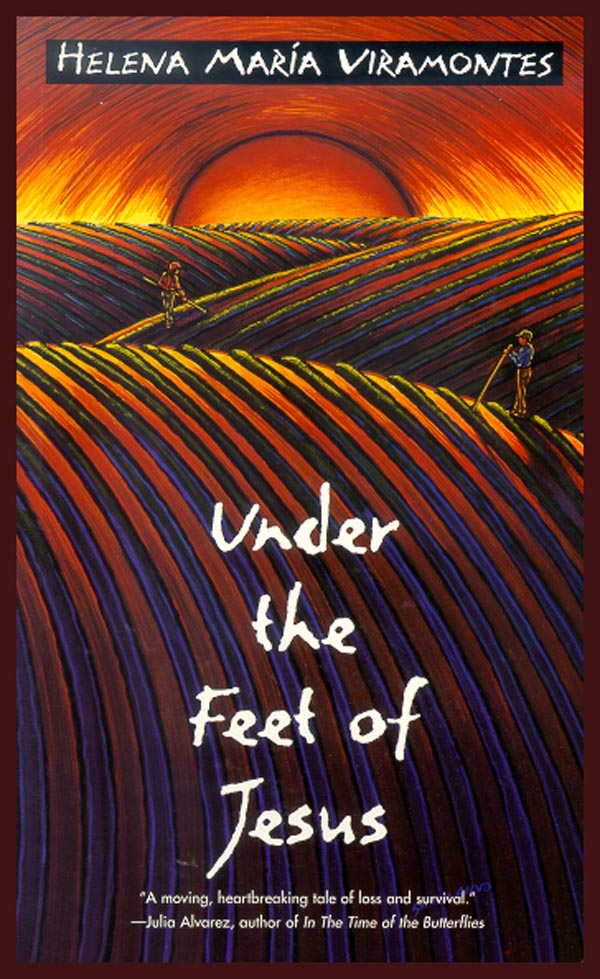
Fiction: Two of Latino literature’s most acclaimed novels focus on the plight of farmworkers. The 2000 young adult novel Esperanza Rising by Pam Muñoz Ryan depicts a teenager working the fields in the 1920s. The 1996 novel Under the Feet of Jesus by Helena Maria Viramontes tells the story of California farmworkers through the eyes of a 13-year-old worker.

Theater: During the Delano Grape Strike, Luis Valdez began presenting plays on flatbed trucks and union halls. He eventually founded El Teatro Campensino, and went on to write the play and the movie Zoot Suit and the movie La Bamba. He recently talked about his theater’s roots to AARP VIVA radio. (The program is in Spanish.)

Leave a comment

Filed under Children's Books, Culture, Features, Fiction, Non-Fiction, Theater, Young Adult Books

Happy birthday, Oscar Hijuelos!


(Update: Oscar Hijuelos passed away in October 2013. Here is his obituary from The New York Times.)

Oscar Hijuelos was born August 24, 1951 in New York City. His 1989 book The Mambo Kings Play Songs of Love became the first novel by a Latino author to win the prestigious Pulitzer Prize.

Hijuelos was raised by his Cuban parents in New York City – a childhood reflected in his first novel, 1983’s Our House in the Last World.

His next novel was Mambo Kings. The book, which depicts the lives of two Cuban brothers who pursue their musical dreams in New York City, was made into a 1996 movie staring Antonio Banderas.

Mr. Ives’ Christmas, published in 1996, was a finalist for the Pulitzer Prize. Here’s a great review of the book from NPR’s Ray Suarez. He also wrote 2000’s Empress of the Splendid Season and 2008’s Dark Dude. His most recent book is his 2011 memoir, Thoughts Without Cigarettes.

It’s a great day for Latino writers: Jorge Luis Borges and Paulo Coelho also celebrate birthdays today.

Leave a comment

Filed under Author Profiles, Fiction

Classic book review: Pam Muñoz Ryan’s “Esperanza Rising”

Pam Muñoz Ryan’s 2000 book, Esperanza Rising, is a young adult novel set in the 1920s, but readers of all ages will enjoy reading this story with its themes and issues that resonate today.

Esperanza Ortega is about to celebrate her 13th birthday on her family’s luxurious ranch when her family faces a series of tragic circumstances. As the revolution rages in Mexico, her mother decides they must go to the United States and work the fields. Esperanza quickly learns she must adjust to a new life, which includes living in a cramped two-room home with five other people and working the fields with workers who want to strike for better working conditions.

Muñoz Ryan writes beautifully with great descriptions of the land, but the novel’s greatest strength is its way of introducing relevant social issues – such as racism and immigration – to young people.

For example, Esperanza and her family go out of their way to a Japanese merchant because he treats them well, even stocking up cow’s intestines for menudo.

As her friend Miguel says:

“Americans see us as one big, brown group who are good for only manual labor. At this market, no one stares at us or treats us like outsiders or call us ‘dirty greasers.’ My father says that Mr. Yakota is a very smart businessman. He is getting rich on other people’s bad manners.”

As Esperanza accepts her new life, she also thinks about other people – such as the way workers were treated during a raid by immigration officials.

“Some of these people did not deserve their fate today. How was it that the United States could send people to Mexico who had never even lived there?”

Esperanza Rising won the Pura Belpré Medal – which honors works for youth by Latino authors – and it deserved it. It’s a great book with a strong character that young adults will identify with.

More about Pam Muñoz Ryan:

Pam Muñoz Ryan was inspired to write Esperanza Rising for her grandmother, also name Esperanza Ortega, who came from Mexico to the United States to pick the fields. The California native also has written Riding Freedom, Becoming Naomi León and The Dreamer, as well as numerous picture books.

Source: I checked this book out of the library.

Note: This book is part of the series of classic books by Latina authors. Next up: Esmeralda Santiago’s When I Was Puerto Rican.

Leave a comment

Filed under Classic Books, Fiction, Young Adult Books

When you’re fifteen …: A look at quinceañeras in literature

The recently released Quince Clash by Malín Alegría is the latest book in the Border Town series for young adults, and it’s latest book that has featured quinceañeras – the elaborate celebration for Latinas on their 15th birthday – as a major plot point. Here’s a look at some other books that cover the unique Hispanic tradition.

Alegría knows quinceañeras well. In her 2007 novel, Estrella’s Quinceañera, the title character is almost embarrassed to have the celebration, especially since she is  attending an elite private school. According to this NPR story, the book is considered a classic among Latino youth and Alegría shows up at book readings in a ruffled quinceañera dress and tiara.

Quinceañera Means Fifteen, by Veronica Chambers, is part of a series featuring Marisol and Magdalena, two Panamanian best friends who live in Brooklyn. In this 2001 book, Marisol and Magdalena find their friendship strained as they plan their parties. The celebration is also featured in Chambers’ Amigas series – in Fifteen Candles and Lights Cameras Quince.

Belinda Acosta provides an adult perspective in her Quinceanera Club series. The main characters in 2009’s Damas, Dramas, and Ana Ruiz and 2010’s Sisters Strangers and Starting Over are organizing quinceañeras for reluctant teenagers. Acosta cited Fifteen Candles: 15 Tales of Taffeta, Hairspray, Drunk Uncles, and other Quinceanera Stories, a book of essays edited by Adriana V. Lopez, as a great resource.

For a non-fiction take on the big event, try Julia Alvarez’s 2007 Once Upon a Quinceañera: Coming of Age in the USA. She visited several quinceañeras as research for the book, which covers the tradition’s history and its financial costs. Ilan Stavans examines the religious, gender and class aspects in the 2010 anthology of essays he edited, Quinceañera (The Ilan Stavans Library of Latino Civilization).

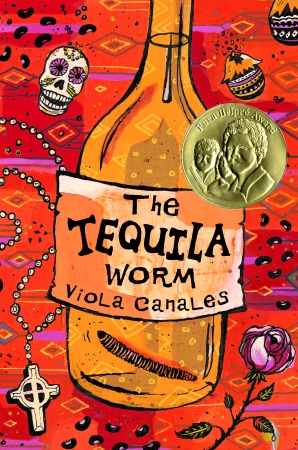
Other books about quinceañeras include (with a hat tip to Louisville Free Public Library): the Pura Belpré Award-winning The Tequila Worm by Viola Canales; Sister Chicas by Lisa Alvarado, Ann Hagman Cardinal and Jane Alberdeston Coralin; and Cuba 15 by Nancy Osa. And check out Sweet Fifteen by Diane Gonzales Bertrand.

1 Comment

Filed under Culture, Features, Fiction, Non-Fiction, Young Adult Books