Category Archives: 2012 Books

In the news: April showers new books, awards and other news

New releases:

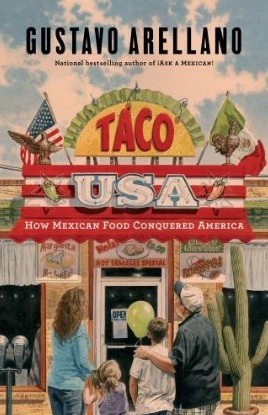
• Several Latino-oriented books are coming out in the next few weeks. Gustavo Arellano explores Americans’ fascination with Mexican food in Taco USA, which will be available this Tuesday. Read an excerpt here.

• Four interweaving stories, from South America to Boston, form the plot of Differential Equations by Julian Iragorri and Lou Aronica, out April 16.

Dagoberto Gilb’s “Uncle Rock” will be featured in the The PEN/O. Henry Prize Stories 2012 anthology, which will be published April 17.

Julia Alvarez’s new book, A Wedding in Haiti, out April 24, describes her experiences in that country before and after the 2010 earthquake. Also coming out that week is Roberto Bolaño’s The Secret of Evil, a collection of short stories, and Alisa Valdes’ The Temptation, the first in a supernatural trilogy.

Awards:

• Several Latinos were named as finalists in ForeWord Reviews’ Book of the Year contest, honoring books from independent publishers. Lyn DiIorio’s Outside the Bones made the Fiction-Literary list. Sergio Troncoso’s (left) Crossing Borders earned a spot in the Essays category and From This Wicked Patch of Dust made the Fiction-Multicultural list, as did Richard Yañez’s Cross Over Water and Rudolfo Anaya’s Randy Lopez Goes Home.
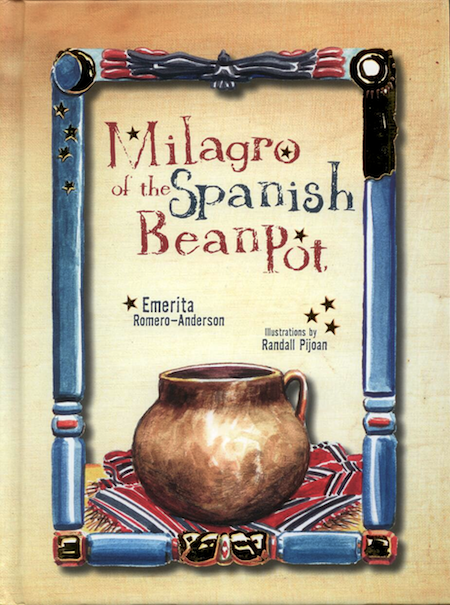
Troncoso’s From This Wicked Patch of Dust was also nominated in the Reading the West Book Awards in the Adult Fiction category. Emerita Romero-Anderson was nominated in the children’s category for Milagro of the Spanish Bean Pot.

Book festivals:

The Los Angeles Times Festival of Books, running April 20-21, will feature a plethora of authors, including Gustavo Arellano, Kami Garcia (left), José-Luis Orozco, Héctor Tobar and Luis Alberto Urrea. Rudolfo Anaya will be honored with a lifetime achievement award.

Writing workshops:

April 15 is the deadline to sign up for the National Latino Writers Conference May 16-19 at the National Hispanic Cultural Center in Albuquerque. Teachers include Jimmy Santiago Baca, Cristina García and Rigoberto González (right).

Body art by Mia Roman. Photographed by Johnny Ramos.

Other bits:

The New York Daily News profiled Aurora Anaya-Cerda’s (right) building of the Latino-oriented La Casa Azul bookstore in East Harlem, slated for a spring opening. Check out her progress on her Facebook page.

The Daily News also profiled poet Nuyorican poet Bonafide Rojas.

The Daily Show covered the Arizona ban on Latino-themed books and ethnic studies as only The Daily Show could.

Publishers Weekly had a nice write-up about Pat Mora’s Día: El día de los niños/El día de los libros, Children’s Day/Book.

Sergio Troncoso previews his panel, “Latino Literature, Then and Now,” to the Texas Library Association’s annual conference April 17-19 in Houston.

The Austin American-Statesman featured the Austin Latino New Play Festival.
 

2 Comments

Filed under 2012 Books, Awards, Children's Books, Events, Fiction, News, Non-Fiction, Poetry, Theater

Book review: Robert Andrew Powell’s “This Love is Not for Cowards”

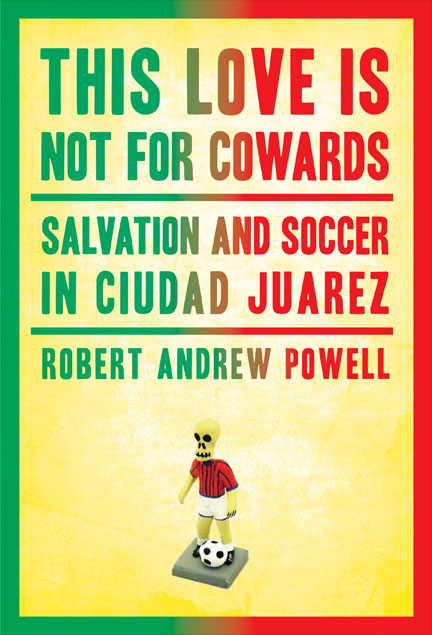
Robert Andrew Powell’s This Love is Not for Cowards: Salvation and Soccer in Ciudad Juárez revolves around two of Mexico’s most prominent subjects – its love for soccer and its dangerous drug trade.

Los Indios are the minor league soccer team near El Paso that scored a huge coup in 2009 – they have been accepted into the major leagues. This provides the people of Juárez a glimmer of hope as murders and violence become an everyday occurrence.

Powell describes the moment the team won the game that led to the promotion: “Players climbed onto the roof of their bus as young women danced in blue jeans and form-fitting red Indios jerseys tied at the waist. La gente, the people, proved to be bigger than the cartels. The city showed it was more than just violence.”

The book features several characters – Marco Vidal, the American who comes to Mexico so he can play the sport he loves; Francisco Ibarra, the team’s owner who lives in El Paso and has applied for American citizenship; and the cheekily named Ken-tokey, the student who belongs to the cheekily named El Kartel, the  booster club that supports and travels with the club.

Los Indios soon finds that playing in the major leagues isn’t so easy. But as Powell notes, “It’s been nice, for a while, to be in the fold, to be a city all of Mexico has to acknowledge is indeed in Mexico. However fleeing the coverage on ESPN Deportes, Juárez was still on ESPN Deportes.”

Powell is great at detailing the violence the surrounds the city and describing its land and its people. He also has an interesting chapter about the deaths of the women in Juárez that has drawn much media attention.

But the book’s strength is also its greatest weakness. Powell overdescribes things – even revealing the toppings of the pizza he eats at a restaurant. (Who cares?) The book starts to drag in the last 100 pages and, at times, I thought the story would have been better as a long article in Rolling Stone or The New Yorker than as a 256-page book.

Still, the book is an intriguing look at Juárez, providing a human face to a city that has been forsaken by so many.

More about Robert Andrew Powell:

Powell has written for The New York Times, Sports Illustrated and other magazines, as well the book We Own This Game. Read an excerpt from Love here.

Source: I purchased this book through Amazon.com.

Leave a comment

Filed under 2012 Books, Book Reviews, Non-Fiction

In the News: New books, Librotraficantes, Rodriguez, Mora

Upcoming Releases:

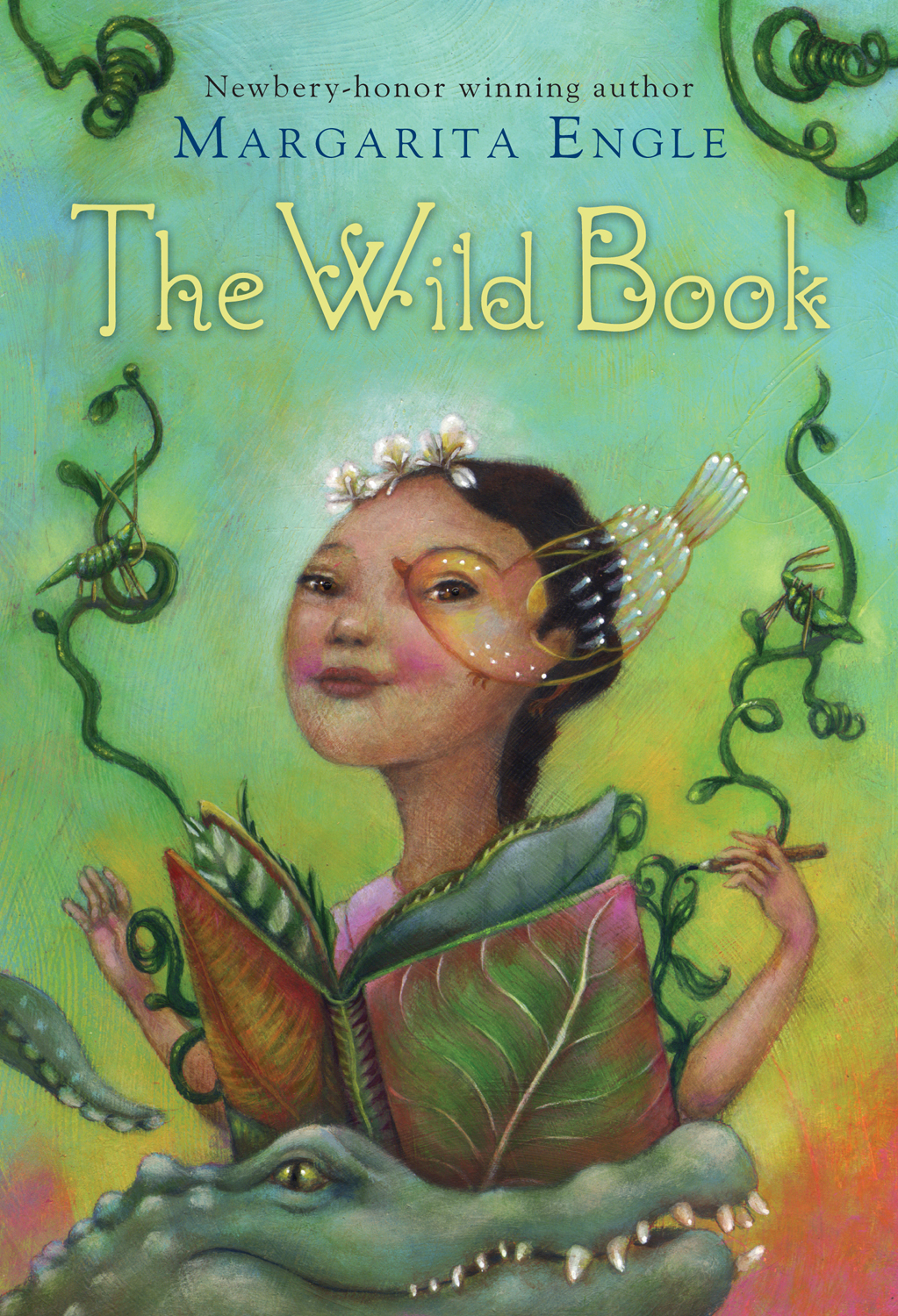
Margarita Engle’s The Wild Book, for children ages 10 and younger, will be released Tuesday. The story focuses on a girl who struggles with reading.

Carolina de Robertis’ Perla, about an Argentine woman who discovers a painful secret about her parents’ past, will come out March 27.

Arizona:

The Librotraficante Caravan, led by Aztec Muse publisher Tony Diaz, made its way from Houston to Tucson – with stops in San Antonio, El Paso and Albuquerque – to distribute $20,000 worth of Latino-themed books that were banned by the Tucson school district. The journey received coverage from The New York Times, El Paso Times, San Antonio Express-News, Arizona Daily Star and The Texas Observer.

• Here’s a great New York Times article about how the state’s ban on ethnic studies has affected classroom studies, such as a visit by author Matt de La Peña.

Awards:

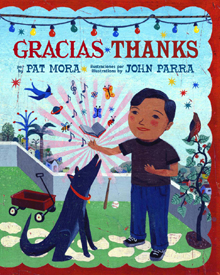
Pat Mora won the Gelett Burgess Children’s Book Award for her book, Gracias/Thanks.

Author profiles:

Bless Me Ultima author Rudolfo Anaya talks about his banned books in the Albuquerque alternative newspaper, Alibi.

The Los Angeles Times features a great profile of Luis J. Rodriguez.

Contests:

Luis Alberto Urrea provides the prompt for NPR’S Three-Minute Fiction contest. Deadline is March 25.

• The Hispanic Reader is taking the week off. When we come back, we’ll celebrate the birthdays of two Nobel Prize winners. Happy Spring Break!

Note: This post was updated to include The New York Times article.

2 Comments

Filed under 2012 Books, Awards, Children's Books, News

Meet novelist Meg Medina, author of “The Girl Who Could Silence the Wind”

Meg Medina began telling stories at a young age. Now she’s won awards and devoted audiences for those stories.

The Cuban-American writer released her new young adult novel, The Girl Who Could Silence the Wind, (Candlewick Press) earlier this week.

This follows 2008’s Milagros: Girl from Away and 2011’s Aunt Isa Wants a New Car. Aunt Isa, which is also available in Spanish, earned Medina the 2012 Ezra Jack Keats New Writers Award, given to a new author and new artist of picture books for children nine and younger, as well as a spot on the 2012 Amelia Bloomer List for feminist literature for readers from birth to age 18.

Medina, who grew up in Queens, New York, and lives in Richmond, Virginia, talked to The Hispanic Reader as part of her blog tour for The Girl Who Could Silence the Wind. Click to watch the trailer and learn more about the book.

Q: Tell me about your book The Girl Who Could Silence the Wind. What inspired the story?

The Girl Who Could Silence the Wind is my first young adult novel. It is the story of 17-year-old Sonia Ocampo who, due to the strange circumstances of her birth, is mistakenly believed to be an angel sent to her mining village. With each passing year, her neighbors have pinned all their hopes and dreams on her shoulders (literally), a burden she can no longer bear. With the help of her clever aunt, Tia Neli, Sonia secures a job as a domestic in the capital, and for a while she believes she has escaped her burdens. Unfortunately, trouble isn’t far. Her brother has left for the north, too, and has not been heard from in weeks. Naturally, everyone turns to Sonia to secure his safety. With only her wits – and the help of a lovesick taxiboy – Sonia has to untangle lies and secrets that have plagued her since her birth.

The novel is written in magical realism, but it touches on contemporary issues: migration and legality; true love vs. predatory relationships; defining yourself despite how others define you; young people’s dreams and having the right to follow them.

Q: What influenced you to become a writer?

I have to believe that it was inevitable. I come from a large Cuban family that loves to tell stories. The act of retelling events was part of my life from a very young age – and I’m thankful to my aunts, my mother, and my grandmother for that gift. Even today, when my elders are in their eighties, I enjoy hearing their stories of Cuba. The stories connected me to my imagination and to my culture. I use my writing in much the same way.

Q: You write mostly for children and young adults about overcoming tough circumstances. What appealed to you about this audience?

I think that writing for children is an honor. I don’t think you can find an adult who truly loves to read, who can’t name his favorite book as a child. There’s something magical about that time in our lives, and I love that my work lives there, where real life and stories hold hands. It’s such a treat to write for an audience that operates that way. As for writing about tough circumstances, I say that it’s important to give children – especially bicultural children – a way to see themselves, their struggles, and their families in books and stories.

2 Comments

Filed under 2012 Books, Author Q&A, Children's Books, Fiction, Young Adult Books

In the news: Librotraficantes in Arizona, Anaya, Valdes, Díaz

Arizona:

The Librotraficante Caravan will kick off March 12 on its journey to distribute Latino-themed books that have been banned in Tucson classrooms. Aztec Muse founder Tony Diaz is spearheading the tour, which starts in Houston and hosts events during its stops in San Antonio, El Paso and Albuquerque and, finally, Tucson. The San Antonio event on March 13 will include Sandra Cisneros (right), Carmen Tafolla and Luis Alberto Urrea. The Tucson event on March 17 will feature Dagoberto Gilb and Helena Maria Viramontes. At each stop, the caravan will create Underground Libraries made up of the banned books.

Awards:

Bless Me Ultima author Rudolfo Anaya, left, will receive a lifetime achievement award from the Los Angeles Times Book Prizes. The ceremony takes place April 20 and coincides with the Los Angeles Festival of Books April 21-22.

• Books by Sergio Chejfec, Tomás Eloy Martínez, Juan José Saer, Moacyr Scliar and Enrique Vila-Matas made the 2012 Best Translated Books Award Longlist.

Book Festivals:

• The Tucson Festival of Books, which runs March 10-11, will include Monica Brown, Denise Chavez, Diana Gabaldon, Carmen Giménez Smith, Grace Pena Delgado, Sam Quinones, Alberto Alvaro Ríos, Sergio Troncoso and Luis Alberto Urrea, right, who will give the keynote address during the Author’s Table Dinner March 9.

Children’s Literature Conference:

March 19 is the deadline for early registration for the National Latino Children’s Literature Conference, which takes place March 29-30 in Tuscaloosa, Ala. The event includes seminars on educational strategies, networking opportunities and a keynote address by authors Alma Flor Ada and F. Isabel Campoy.

Upcoming releases:

Alisa Valdes, best known for her Dirty Girls Social Club series, plans to publish 100-page ebook romance “novelas” for $1.99 one a month starting with Billy, the Man in April. (Click on her “eRomance” page.)

• Pultizer Prize winner Junot Díaz is releasing a new book of short stories called This Is How You Lose Her on Sept. 11, according to The New York Times.

2 Comments

Filed under 2012 Books, Awards, Events, News

Book review: Leila Cobo’s “The Second Time We Met”

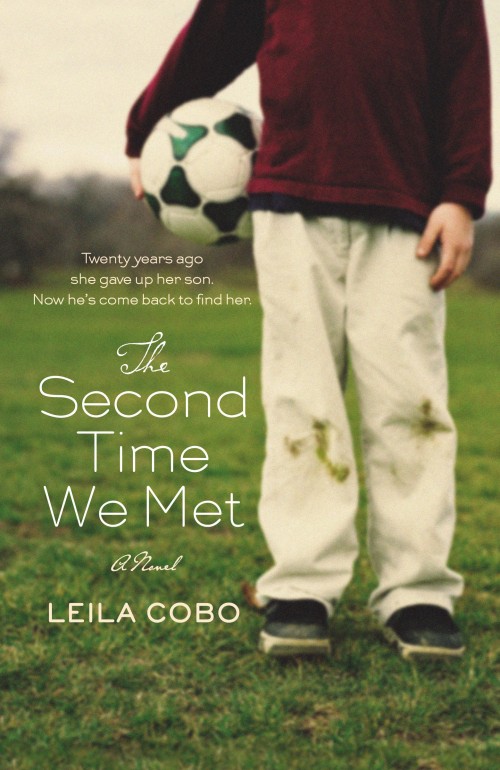
In Leila Cobo’s The Second Time We Met (Grand Central Publishing), teenager Rita Ortiz lives in a small town called Edén, but her life is hell.

Her parents are overly strict, and her small town in Colombia is run by guerillas. She falls in love with one of those guerillas, Lucas, and then her life becomes even more complicated: she finds out she’s pregnant. Her parents force her to move into a convert, and she gives birth and puts the baby up for adoption.

The book then goes from 1989 South America to present day California, where that baby – named Asher Stone – is now a college student living with his tight-knit family and dreaming of a professional soccer career. An almost-fatal car accident forces him to rethink his life – and search for his birth mother. But Asher has very little to go on – just her name, a birth date and a letter she wrote to him. Now Asher – and the reader – wants to know what happened to Rita Ortiz.

The book’s plot isn’t original and Asher isn’t as compelling a character as his mother. But the story runs at a good pace, and Cobo writes some killer lines. Take this passage when Rita and Lucas fall in love: “What neither of them reckoned with is that love and lust are transformative, that they peel back layers of your self, surreptitiously, life the softest caress. Before you know it, fragments of you are exposed for all to see, little pieces of you didn’t know carried with you until they found their reason to exist.”

And readers will have good reason to keep turning the pages.

About the author:

Leila Cobo is a native of Colombia and former concert pianist. She covers Latin music for Billboard magazine. Her first book was Tell Me Something True.
She can be found on Facebook and Twitter.

Source: I received a review copy from the publisher.

1 Comment

Filed under 2012 Books, Book Reviews, Fiction

Book review: César Aira’s “Varamo”

In just 88 pages, César Aira’s Varamo (New Directions) contains more quirkiness than a Wes Anderson movie.

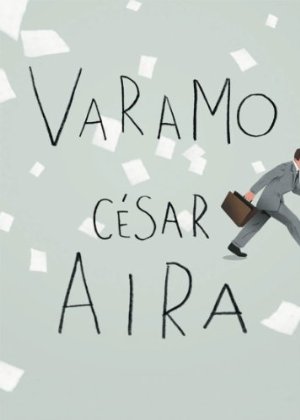
The book is named for the book’s protagonist, Varamo, a bureaucrat in Colon, Panama, who lives an ordinary life. But one afternoon, he receives counterfeit money for his salary. Varamo is a decent man and feels confused about what to do with the money.

He tries to go on with his life – such as embalming small animals to create wacky scenes; dealing with his temperamental mother; and going to a club that he hangs out every night. But even his fun is interrupted by something called regularity racing, an auto contest in which the winner is determined by which car deviates the least from a predetermined speed.

I told you this book was quirky.

All of these events led Varamo to write a poem – something he has never done before – that makes him a hero in his country. The poem, called The Song of the Virgin Boy, is made up of the papers Varamo collected from the day’s events, although the reader doesn’t get to see this work of art.

Some readers may find Varamo a little odd for their tastes. And it is at times. But for the adventurous, the book may be a fun way to spend an hour.

More about César Aira:

César Aira, a native of Argentina, has written more than 80 books. His translator, Chris Andrews, talked to The New Yorker about Aira’s work. His fans include actor Daniel Radcliffe.

Source: I received a review copy from the publisher.

Leave a comment

Filed under 2012 Books, Book Reviews, Fiction

In the news: New books by Sáenz and Aira, plus Cisneros, García Márquez

New releases:

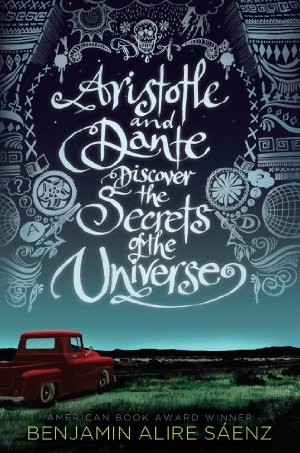
• Coming out this week: the young adult novel Aristotle and Dante Discover the Secrets of Universe by Benjamin Alire Sáenz, about the friendship between two teenage boys, and Varamo by César Aira, about the making of an epic poem by a Panamanian bureaucrat.

Latino scholars honored:

Latino scholars Teófilo Ruiz and Ramón Saldívar were awarded the National Humanities Medal by President Barack Obama.

Children’s books:

Pam Muñoz Ryan’s When Marian Sang: The True Recital of Marian Anderson and Esperanza Rising and Antonio Skarmeta’s The Composition made USA Today’s 100 Greatest Books for Kids.

Reading is Fundamental’s 2011-12 Multicultural Booklist includes books by Loretta Lopez, Alma Flor Ada, George Ancona and Gary Soto.

Other stories:

• The San Antonio Current ran an article about author Sandra Cisneros’ impact on the city, which she plans to leave.

Gabriel García Márquez’s Love in the Time of Cholera inspired Carlos Campos’ latest fashion collection, according to the Los Angeles Times.

• A Toronto librarian found a letter that appeared to have been written by Jorge Luis Borges, reports the Canadian magazine Quill & Quire.

Leave a comment

Filed under 2012 Books, Children's Books, News

Book review: Francisco X. Stork’s “Irises”

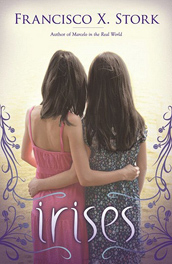
In Francisco X. Stork’s young adult novel Irises (Arthur A. Levine Books/Scholastic), the Romero sisters lived a life so strict that one of them had never been to the mall. Their father, a pastor, “literally thought the devil was going to sneak in the house through the Internet cable.” No wonder that Kate, 18, dreams of escaping her hometown of El Paso for Stanford University, and Mary, 16, paints to escape her world.

But life soon changes for the sisters. Their father dies suddenly, leaving the young women to take care of their mother, who has been in a vegetative state for two years after a car accident. The sisters must decide how to take care of themselves financially, with their own personal dreams at stake.

As Kate thinks, “What she wanted most of all was a more meaningful life, a life where she was useful to others, a life that in her mind could only be obtained someplace other than El Paso.”

Stork’s writing is easy to read, but the book is startlingly different from many of the edgy young adult books that deal with romance or have paranormal or dystopian scenarios. The book has one mention of sex, and a mild one at that. But Irises – named for the flowers Mary likes to paint – is deeper, digging into themes of faith and the purpose of life.

The characters go to church to seek peace, not just to attend service. Characters discuss their faith. One chapter is devoted to a pastor’s sermon. And Stork writes this in a matter-of-act manner, avoiding overtly religious language that may turn some readers off.

When the sisters have to make tough decisions, they discuss what they want from life. “God wants us to live,” Kate says. “He wants to give us abundant life. He wants to give us light and He wants us to be a light unto others.”

Irises is a thoughtful book that will appeal to teenage girls – and, hopefully, a few adults as well.

More about Francisco X. Stork:

Stork, who was born in Mexico and grew up in El Paso, is best known for his books Marcelo in the Real World and The Last Summer of the Death Warriors. He studied literature under Nobel Prize winner Octavio Paz at Harvard and earned a law degree. He works as an attorney in Boston.

Source: I received a review copy from the publisher.

Leave a comment

Filed under 2012 Books, Book Reviews, Fiction, Young Adult Books

New year, new books: What’s ahead for 2012

A new year brings a new batch of books to look forward to reading. Here’s a round-up of some upcoming titles by Latino authors coming in the first half of this year. Special thanks to The Millions website, where I got some of the tips.

• In February, Argentine writer César Aira will release Varamo, about a bureaucrat in Panama who unexpectedly writes an epic poem. The New Yorker ran an interesting interview with Aira’s translator, Chris Andrews, last year.

• Also in February, Benjamin Alire Saenz will release his young adult novel, Aristotle and Dante Discover the Secrets of the Universe about two teens who form an unlikely friendship.

• In April, Orange County Weekly editor Gustavo Arellano – known for his “Ask a Mexican!” column – will release Taco Nation, about America’s obsession with Mexican food. Sounds tasty.

Roberto Bolaño must be the Tupac Shakur of Latino writers. He continues to publish books even after his death in 2003. His collection of stories, The Secret of Evil, will come out in April.

Border Town: Crossing the Line is a Sweet Valley High-like series by Malín Alegría, author of the popular Estrella’s Quinceañera, about two teenage girls who live in fictional Dos Rios, Texas.

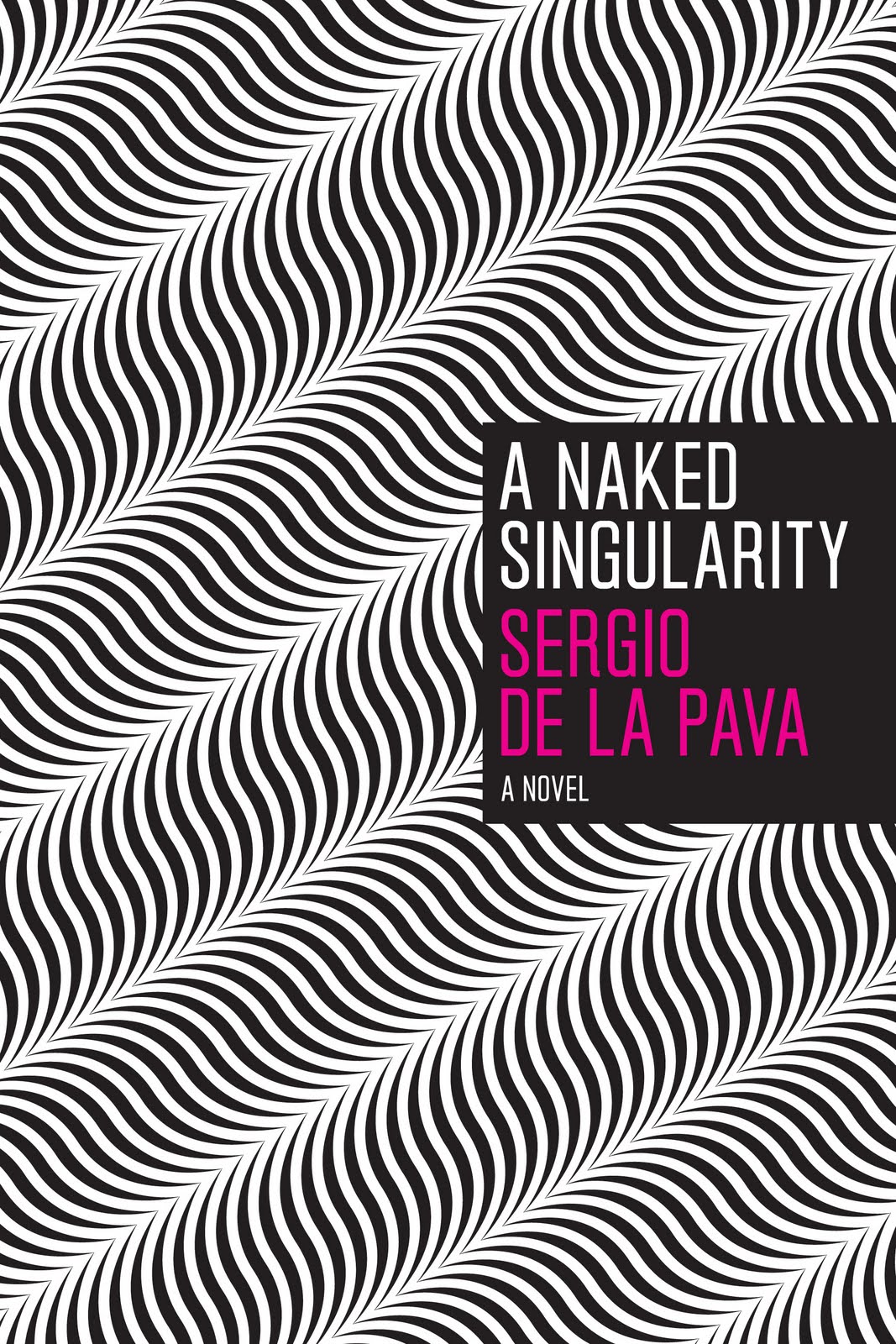
• Also in May, Sergio De La Pava’s A Naked Singularity will come out by the University of Chicago Press after a run as a self-published book. The comic novel focuses on a Brooklyn attorney who commits a crime.

• Nobel Prize winner Mario Vargas Llosa will publish The Dream of the Celt, about Irish human rights activist Roger Casement, in June.

1 Comment

Filed under 2012 Books, News